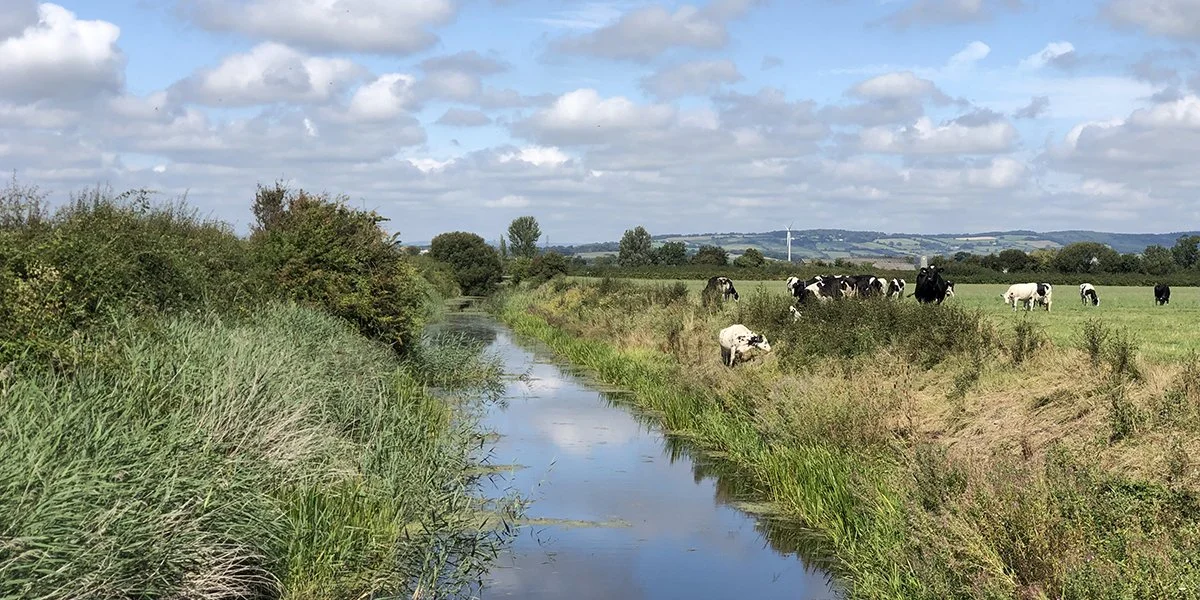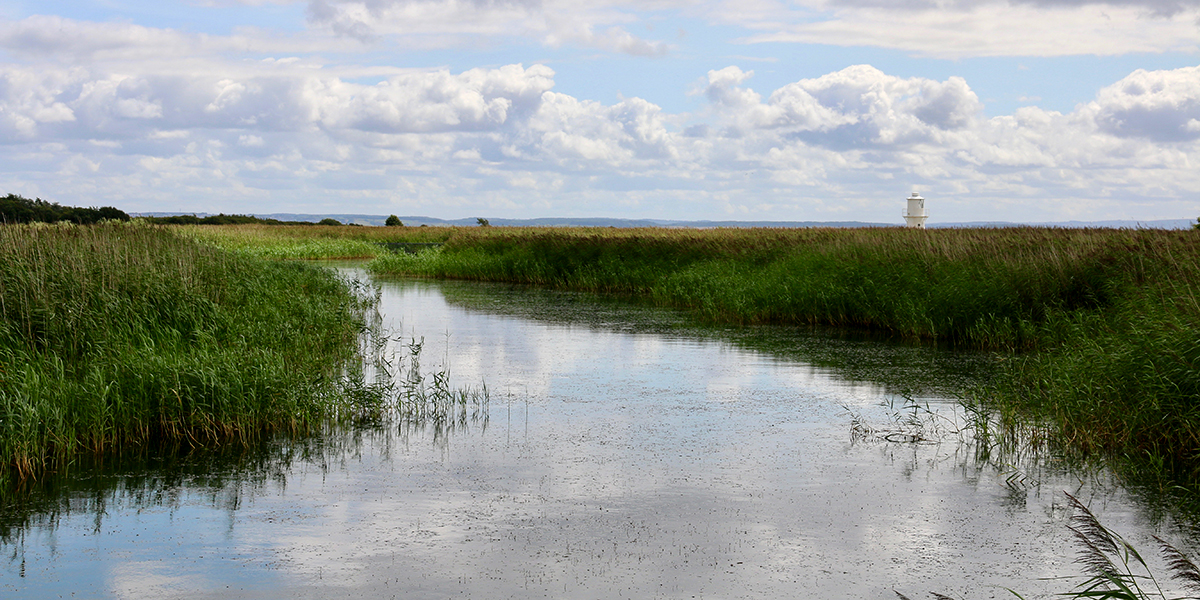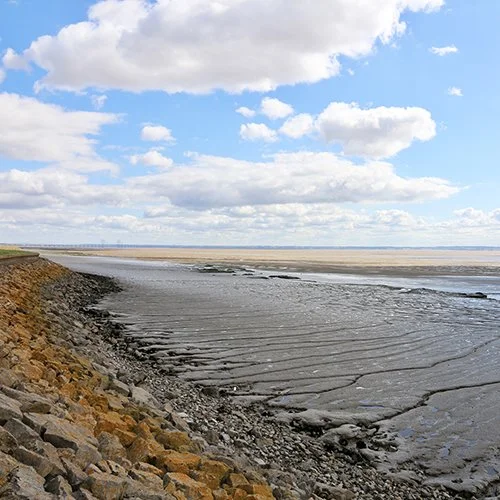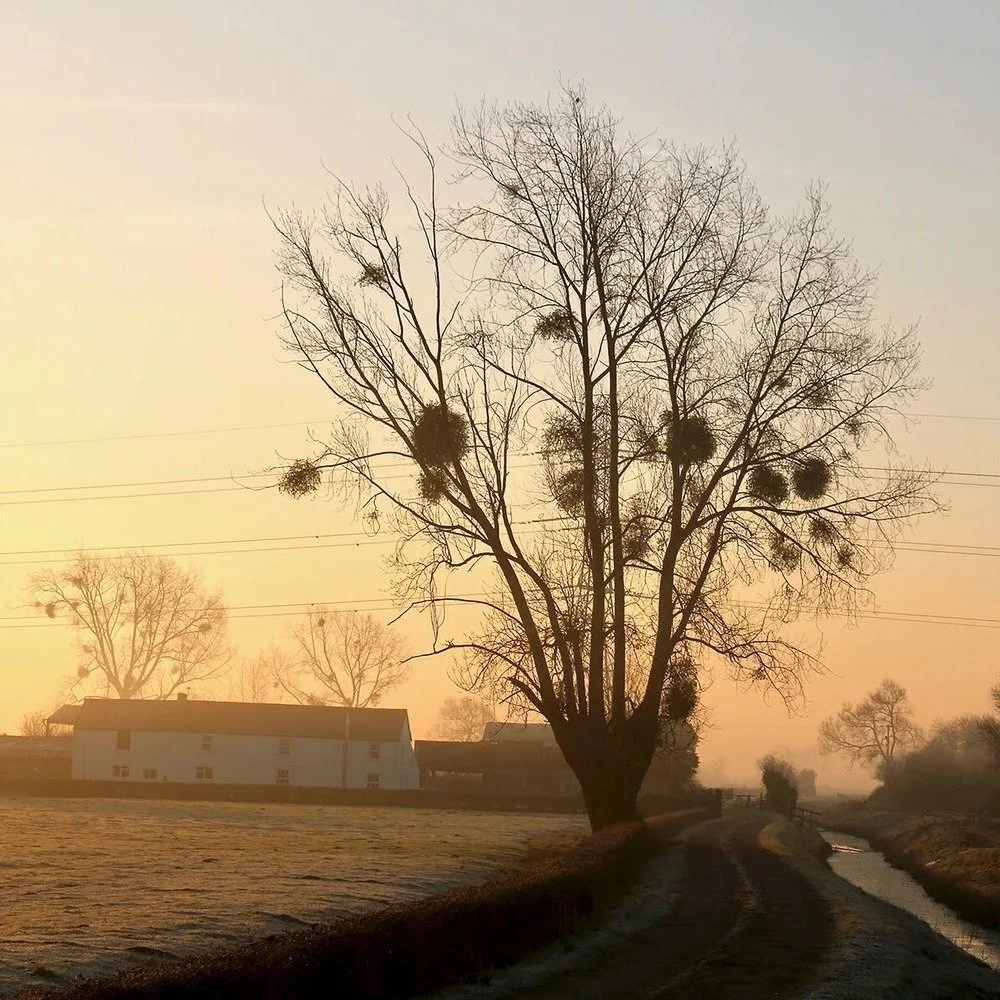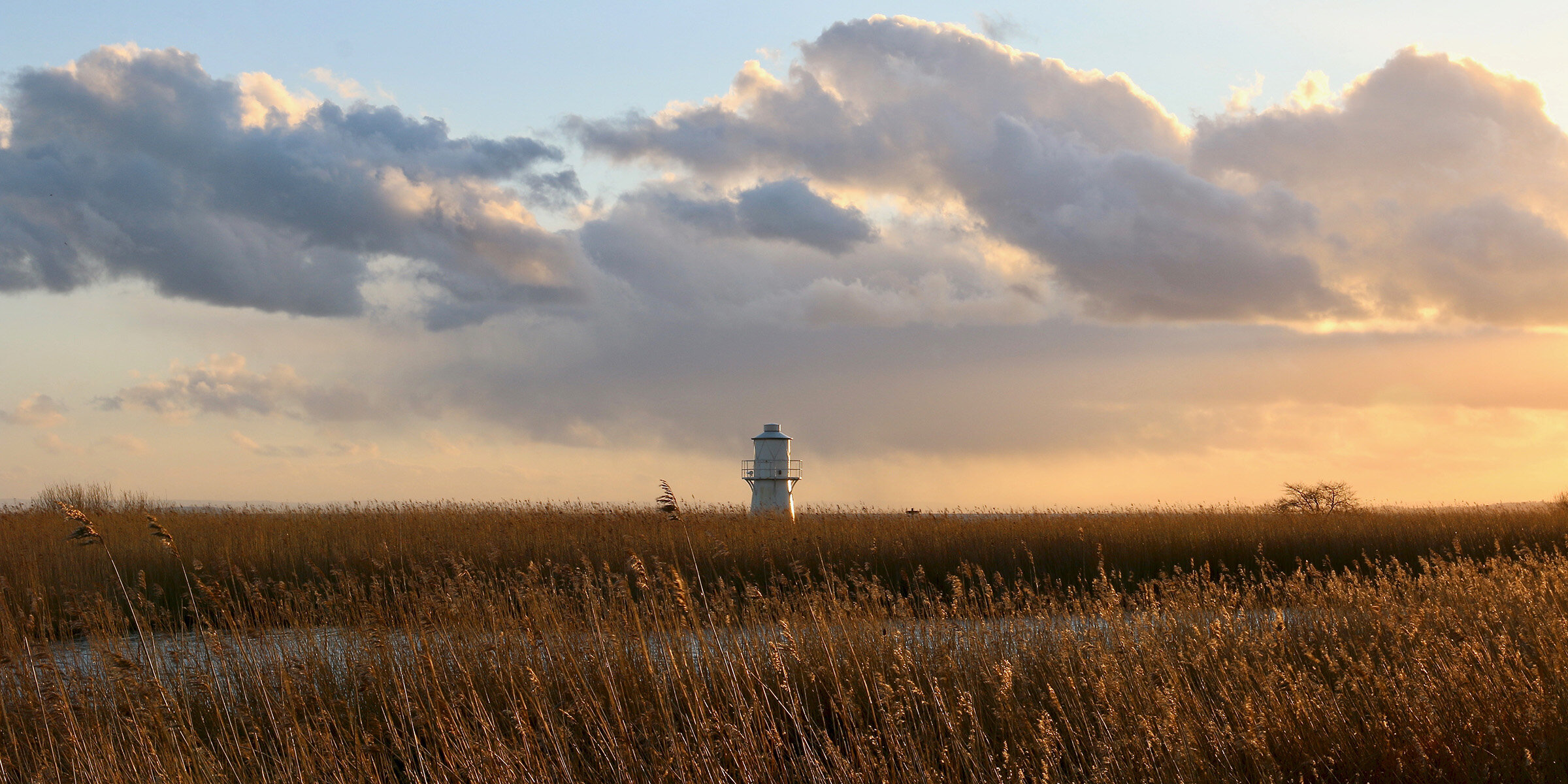
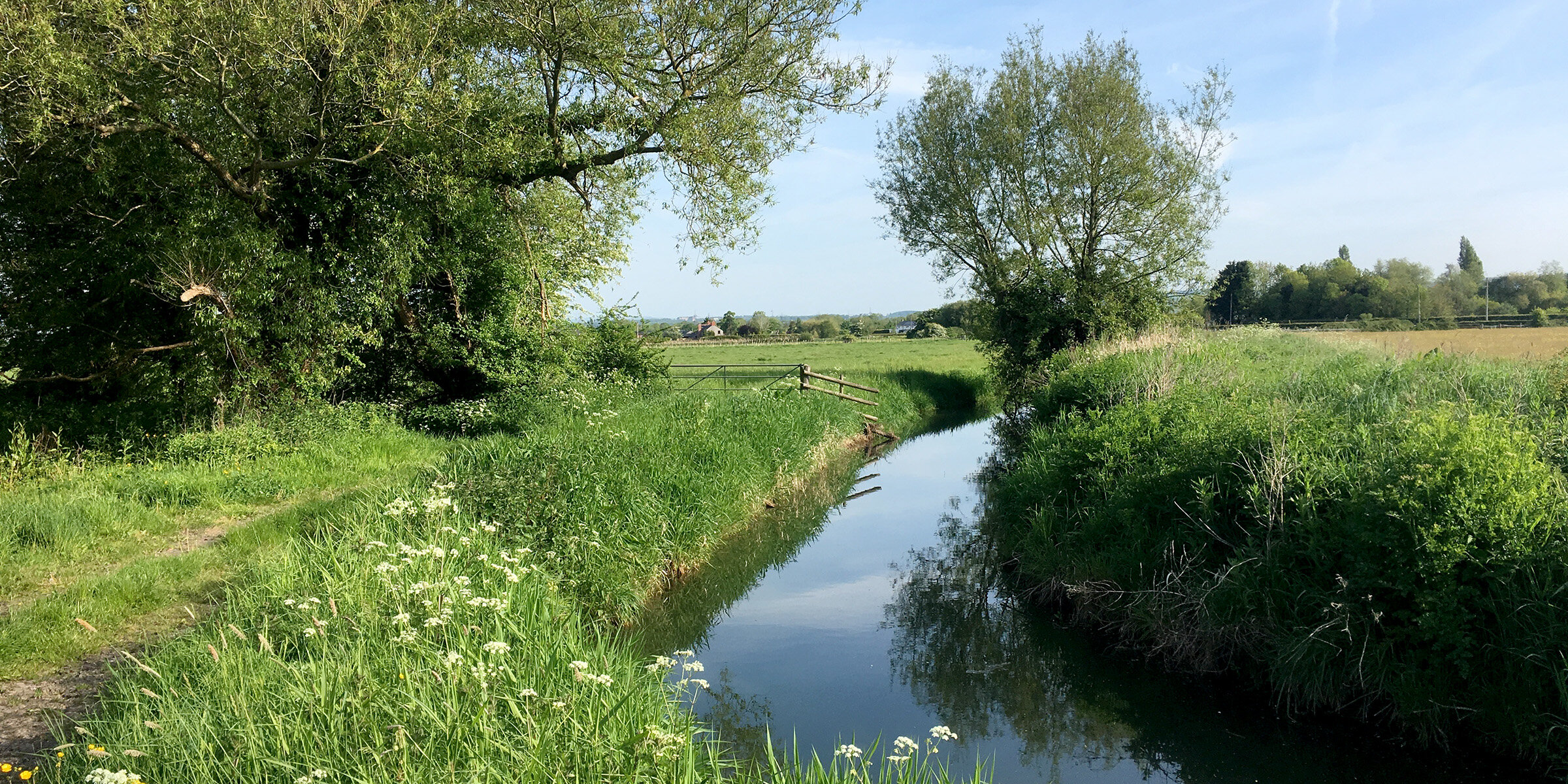
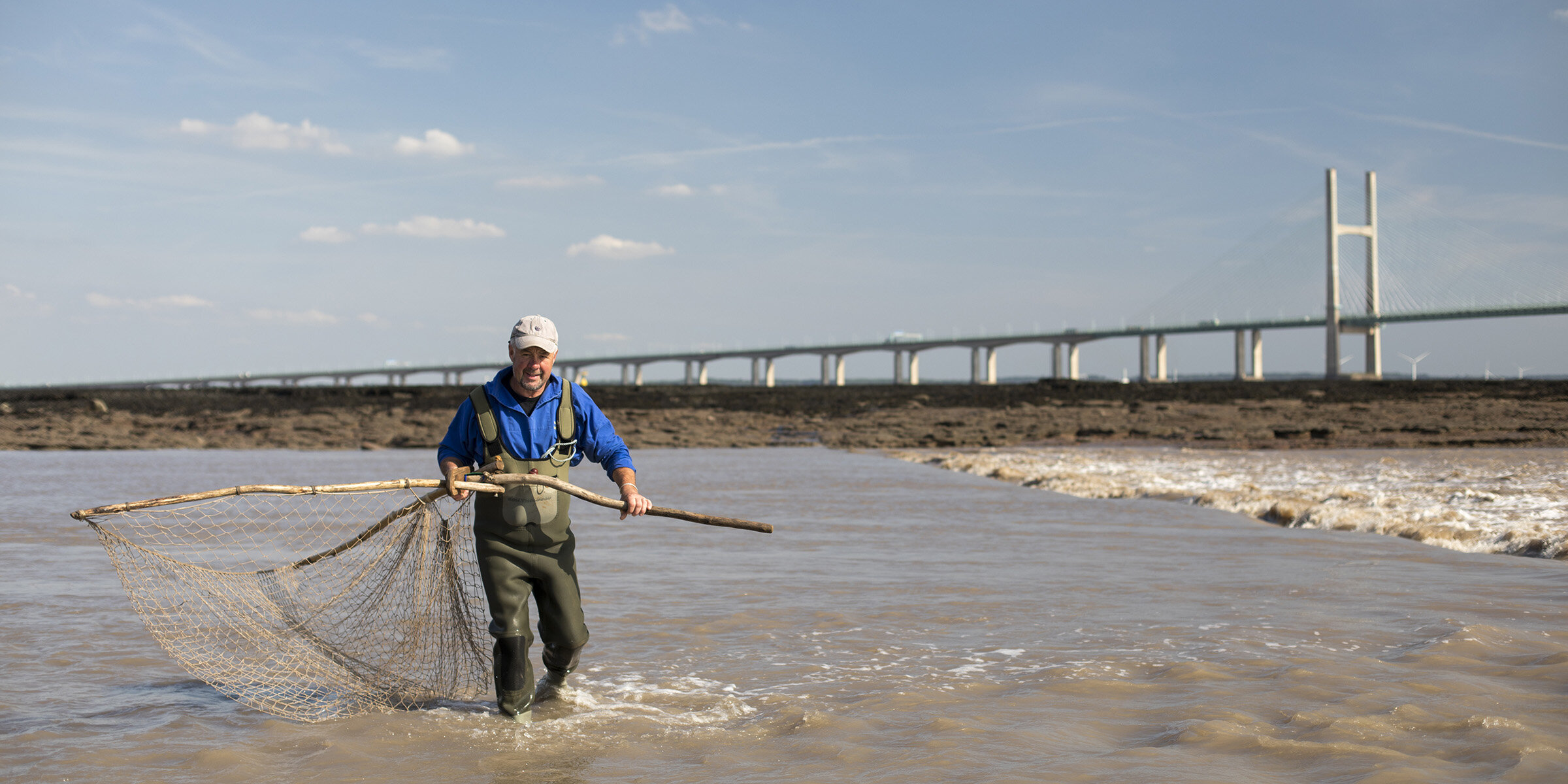
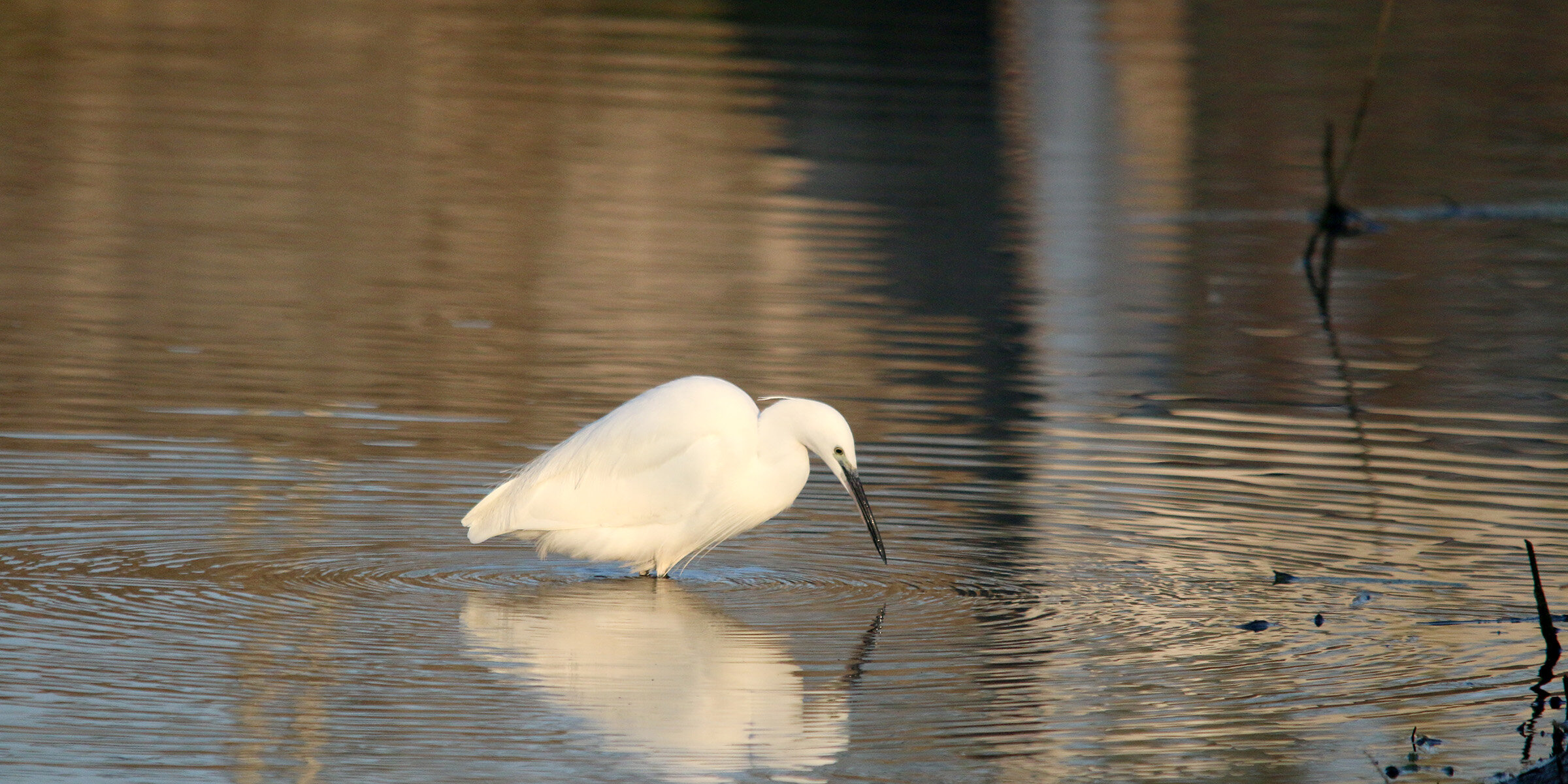
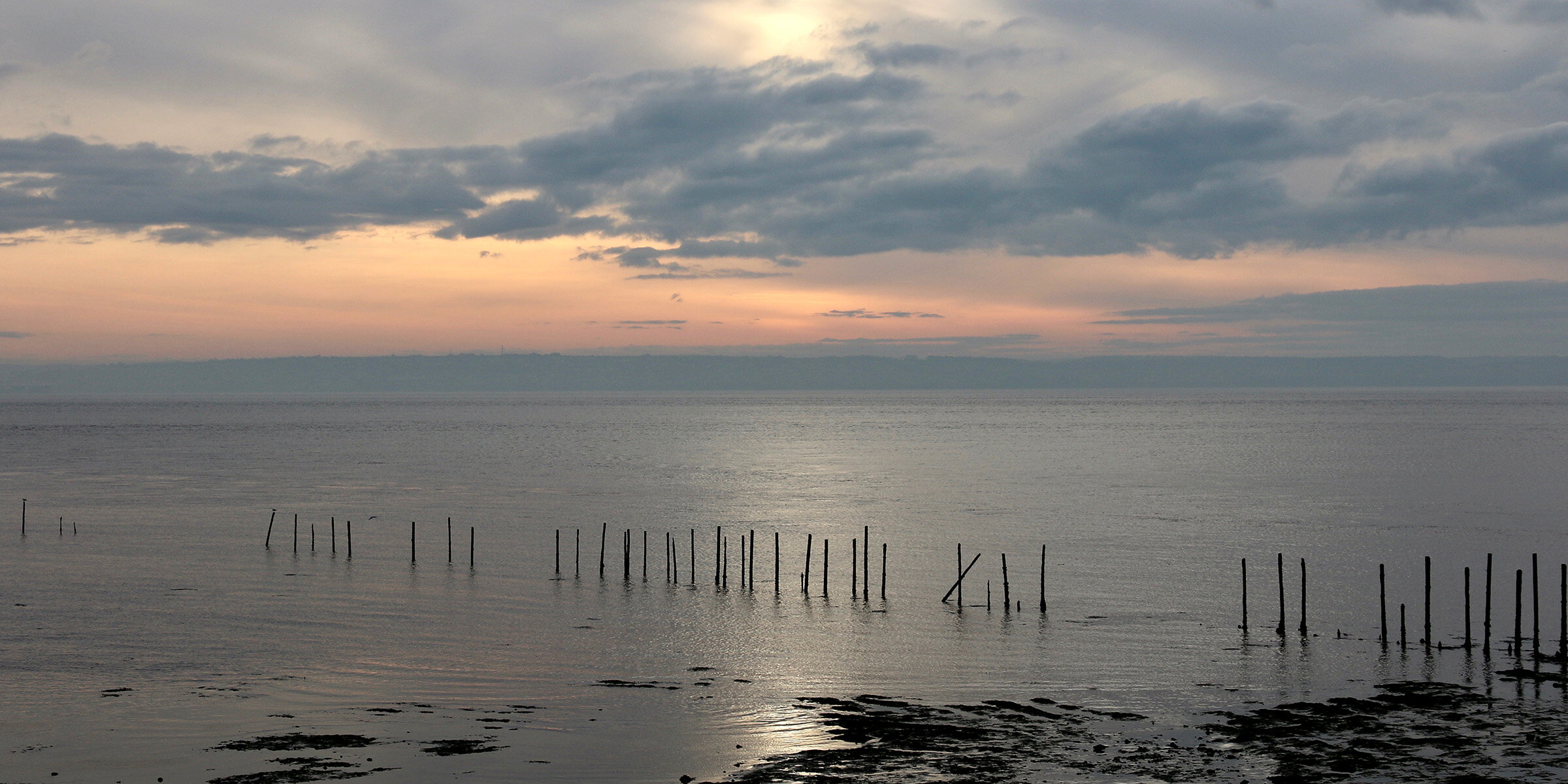
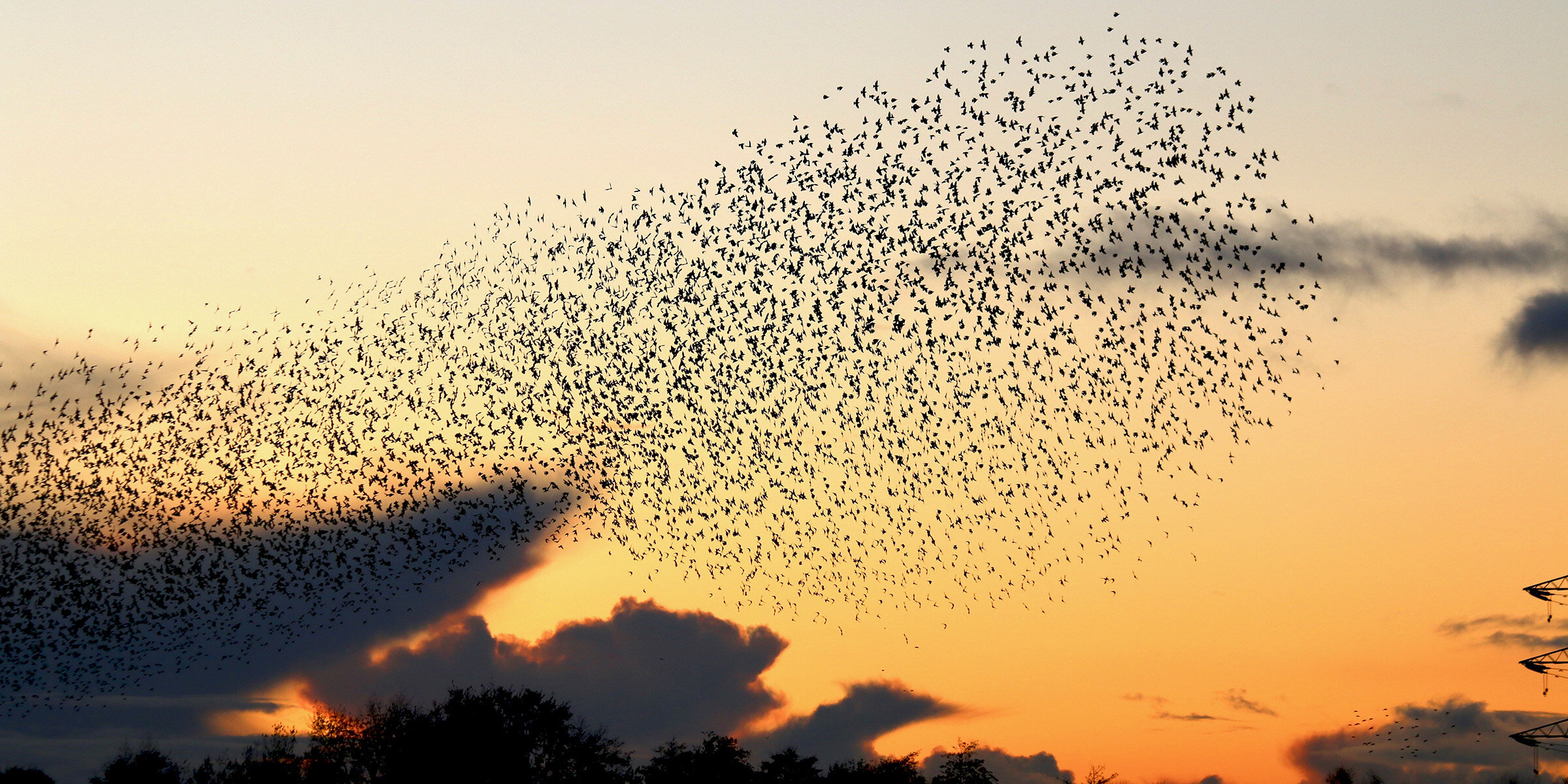
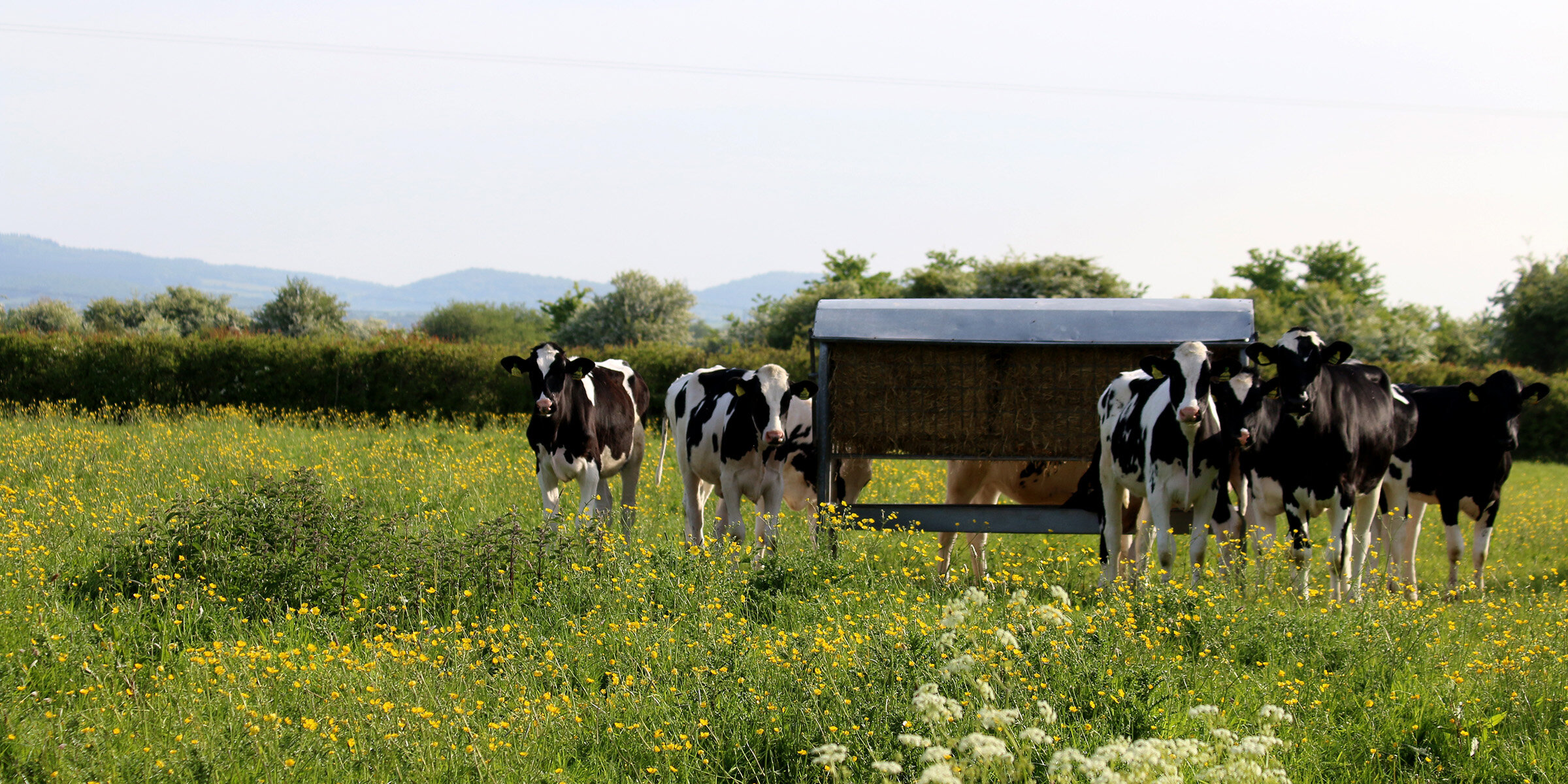
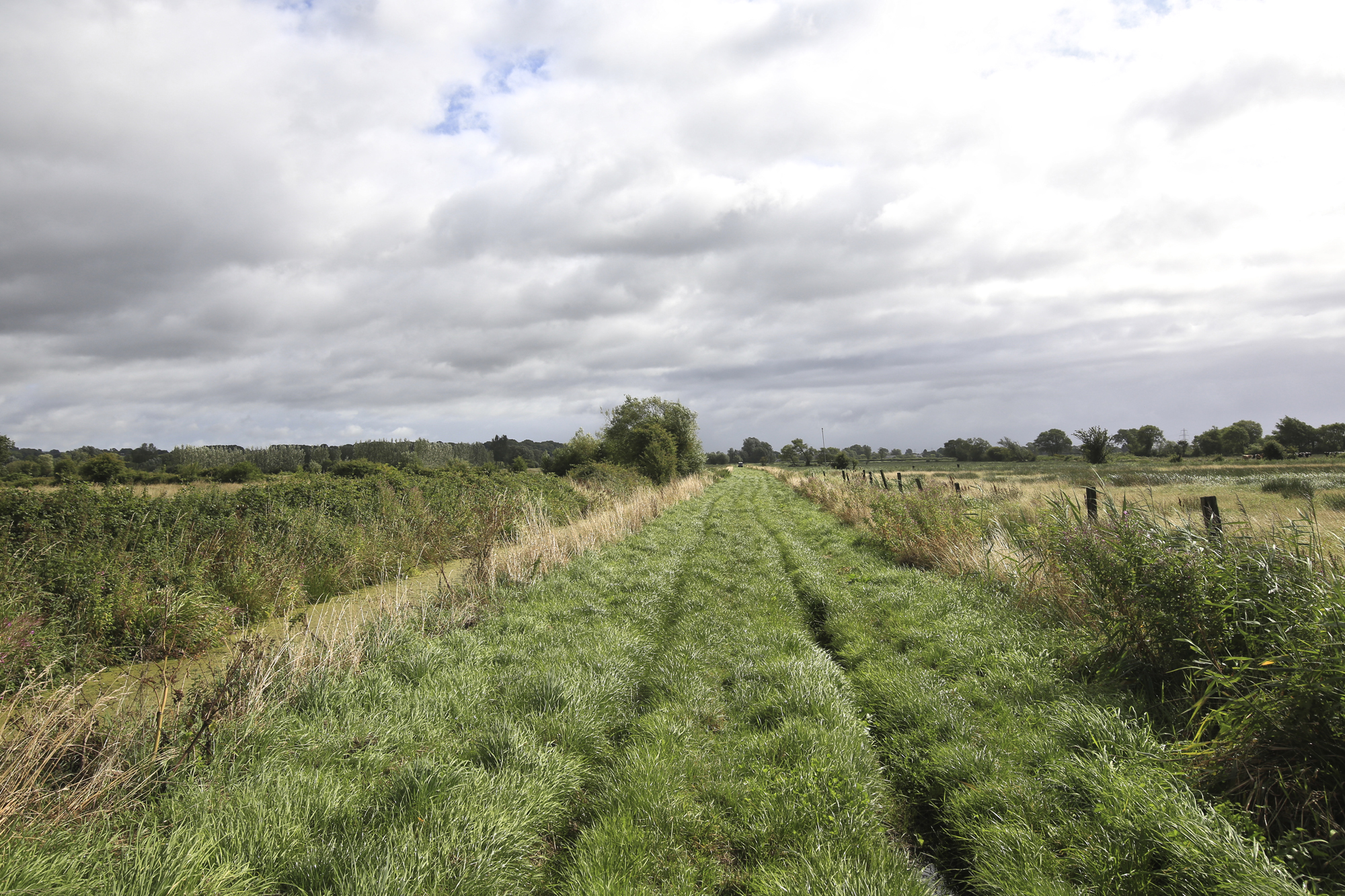
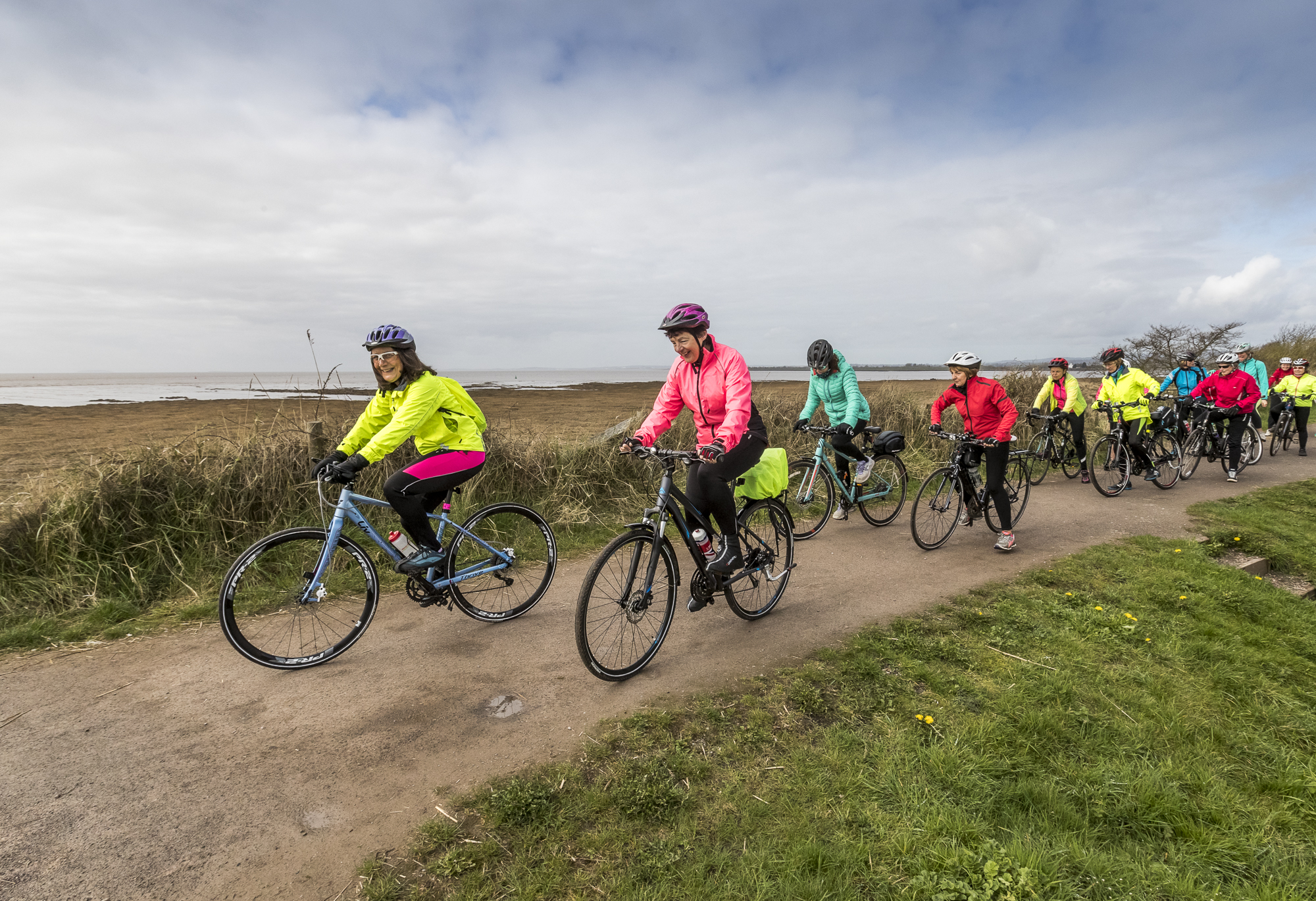
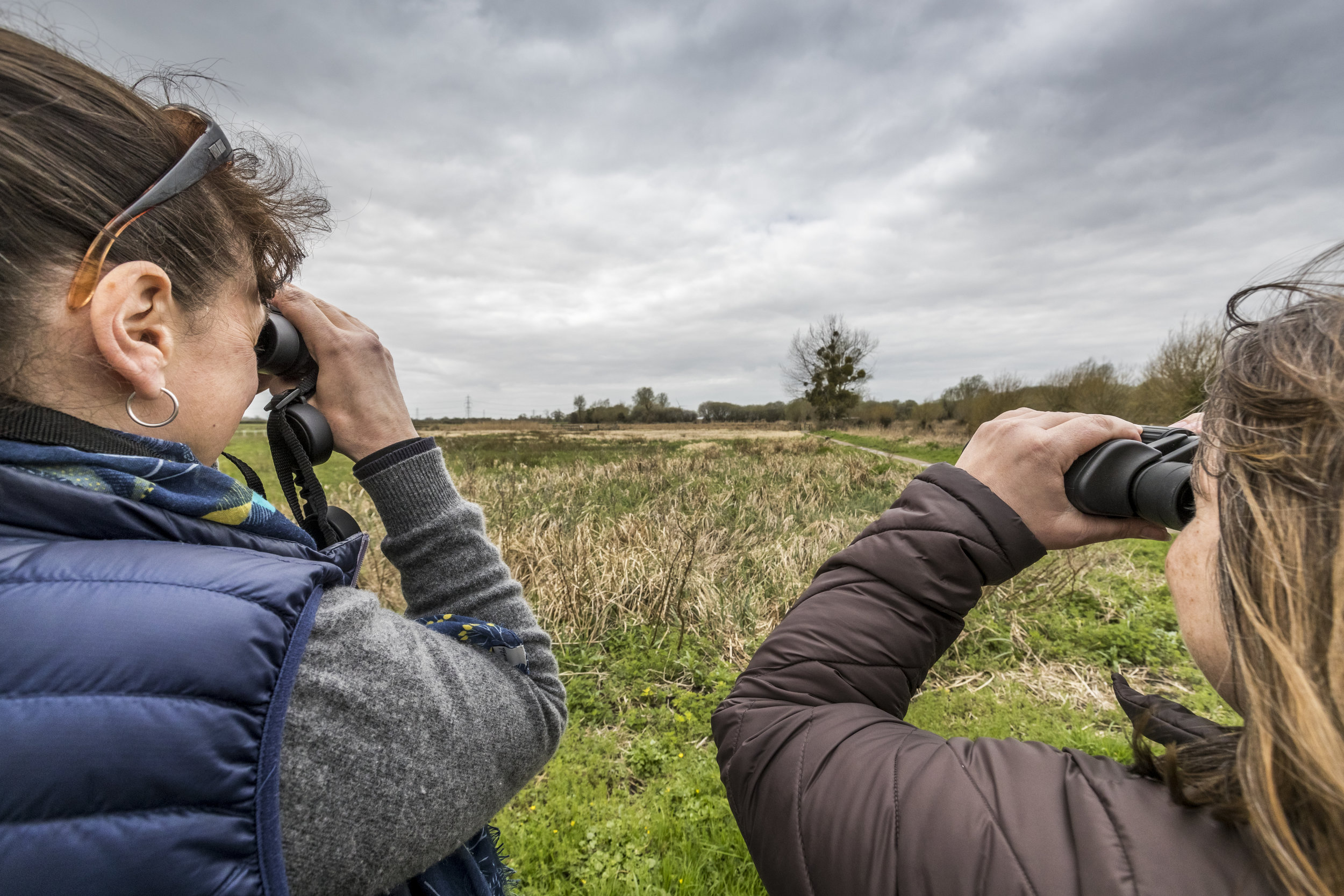
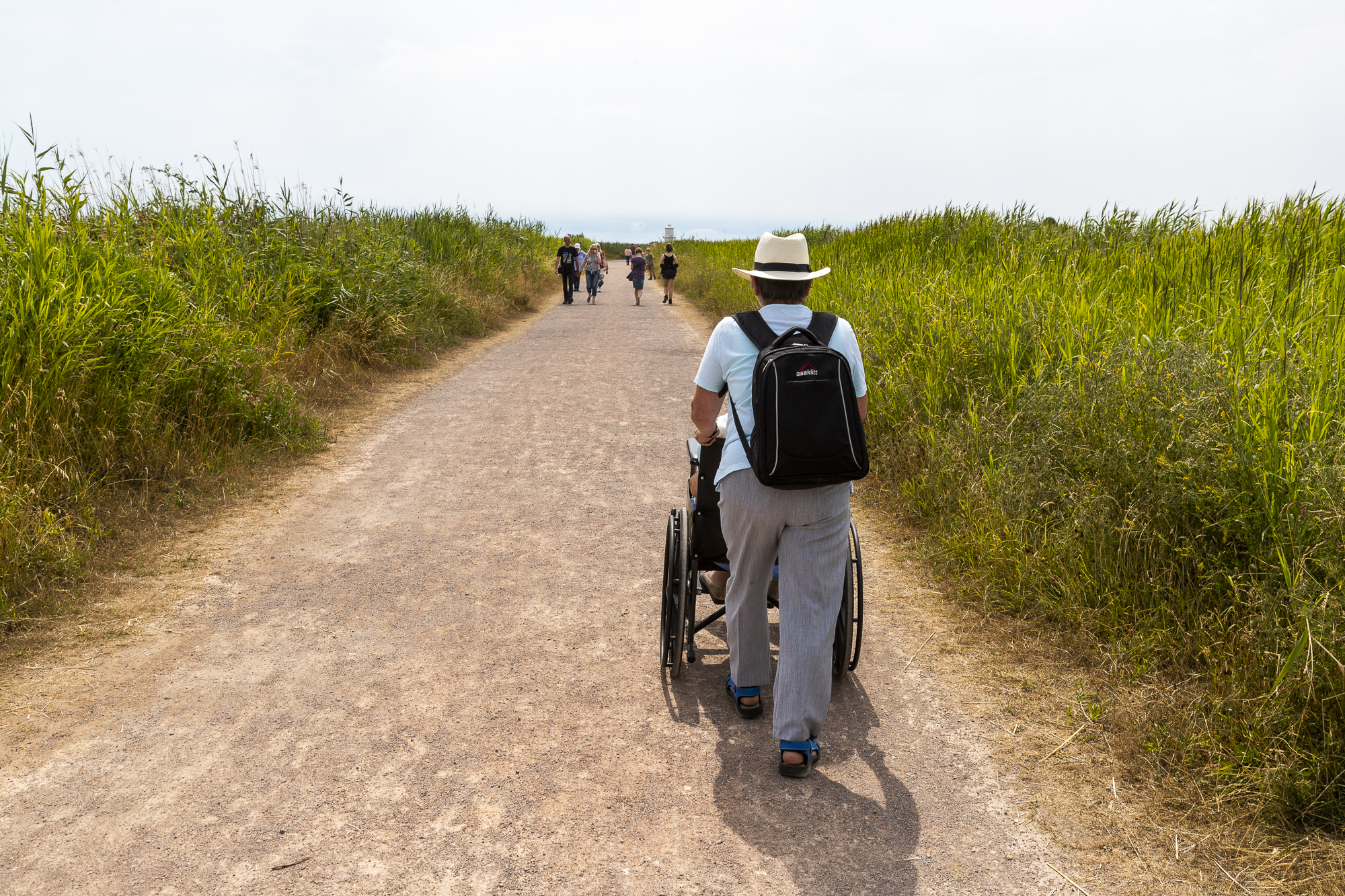

…an extraordinary landscape sandwiched between the hills of south Wales and the silt-laden waters of the Severn Estuary.
Reclaimed from the sea by the Romans, over the last two thousand years, generations of people have shaped the Levels to create a distinctive landscape with a deep, rich history and a wealth of wildlife.
The Living Levels Landscape Partnership aims to reconnect people and communities to the Gwent Levels and provide a sustainable future for this historic and unique area.
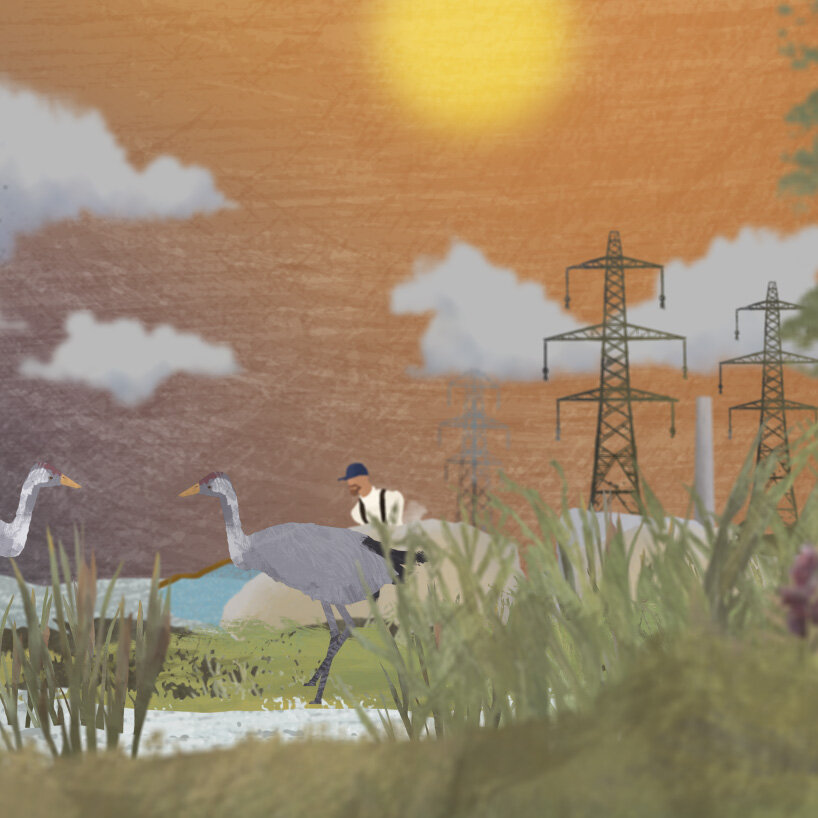
Damon Bridge, former Project Manager for The Great Crane Project, shares his insights and knowledge of one of this ground-breaking project to reintroduce an iconic wetland bird.
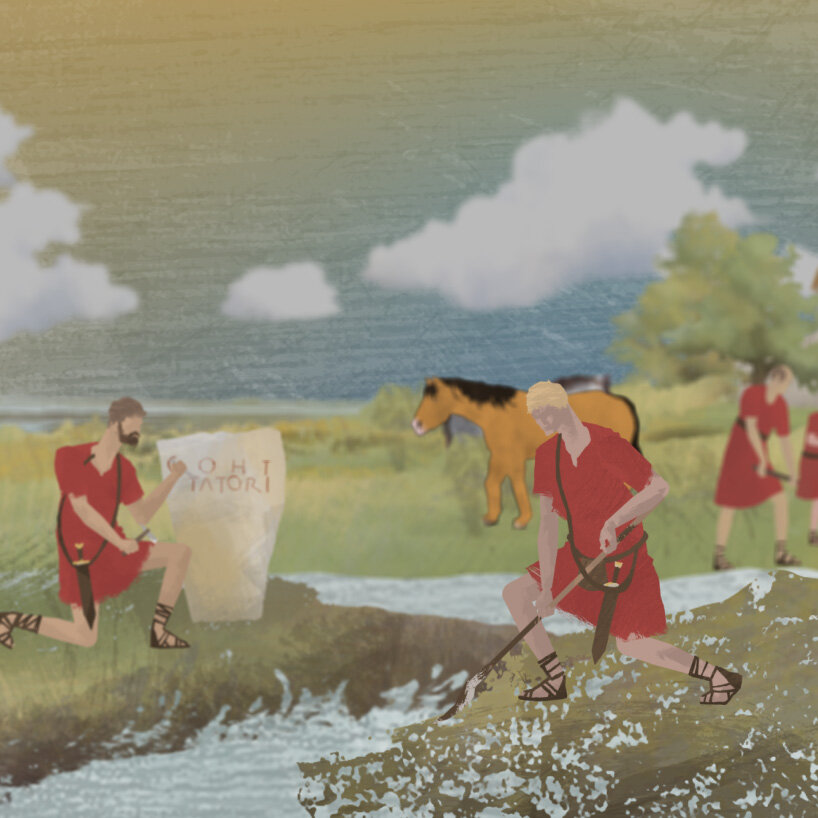
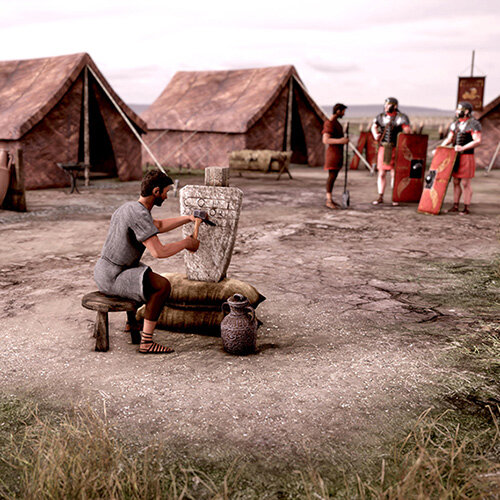
Dr Mark Lewis, curator of the National Roman Legion Museum, Amgueddfa Cymru, presents ‘The Roman Caldicot Level and Roman Caerleon’.
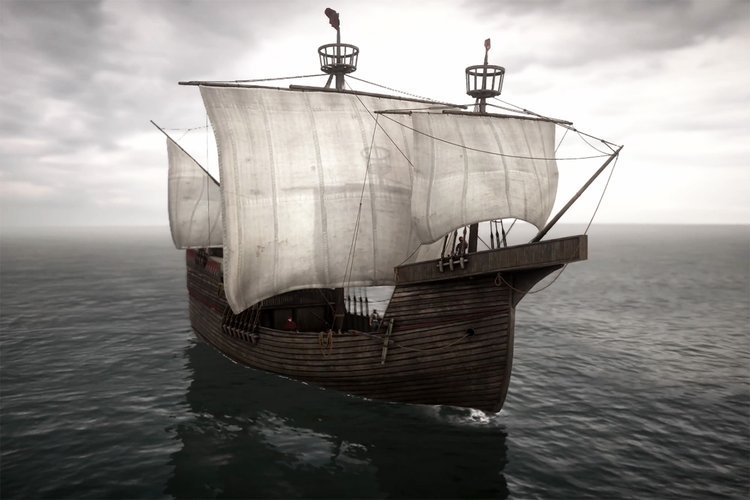
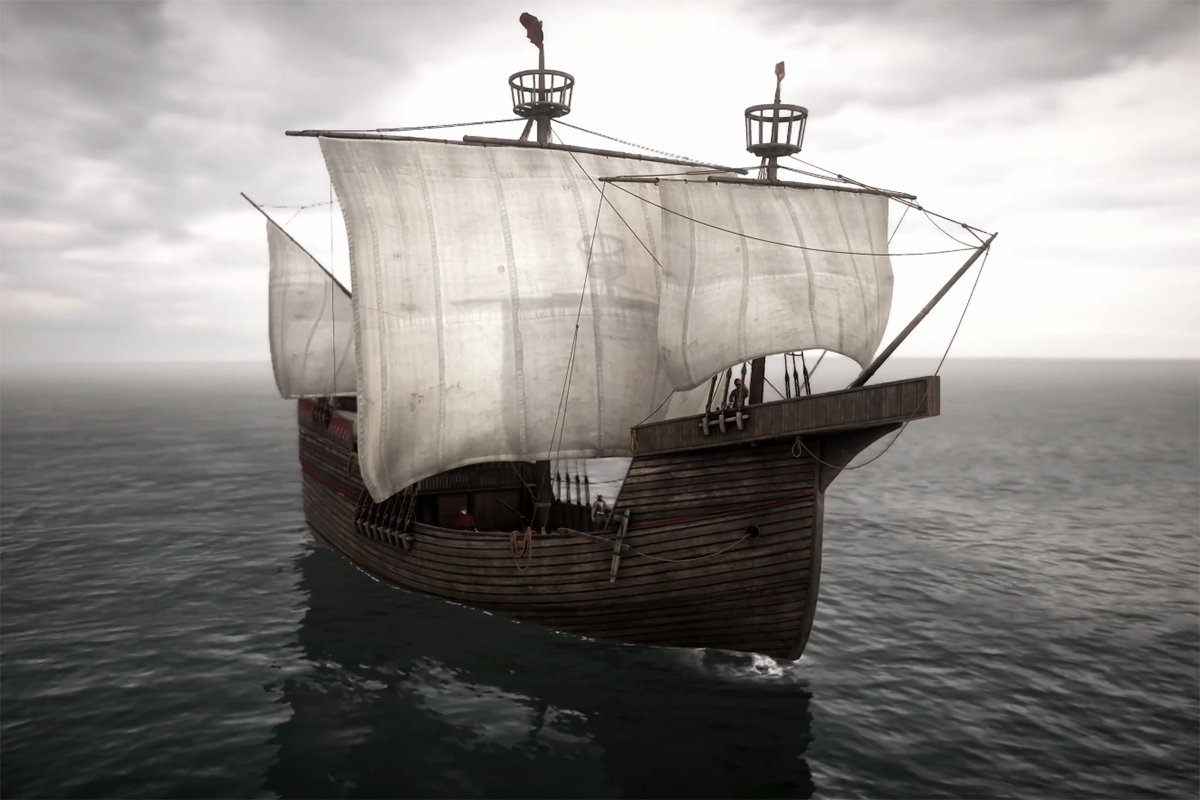
Dr Toby Jones, curator of the Newport Medieval Ship Project, presents “The Newport Medieval Ship: The Fascinating Journey from Discovery to Future”.
A talk with a difference combining musical folk history and live performance in the company of folk fiddle player, Katie Batchelor.
Tony Hopkins, former County Archivist at Gwent Archives, presents ‘After the Monks: The Tudor Levels’.
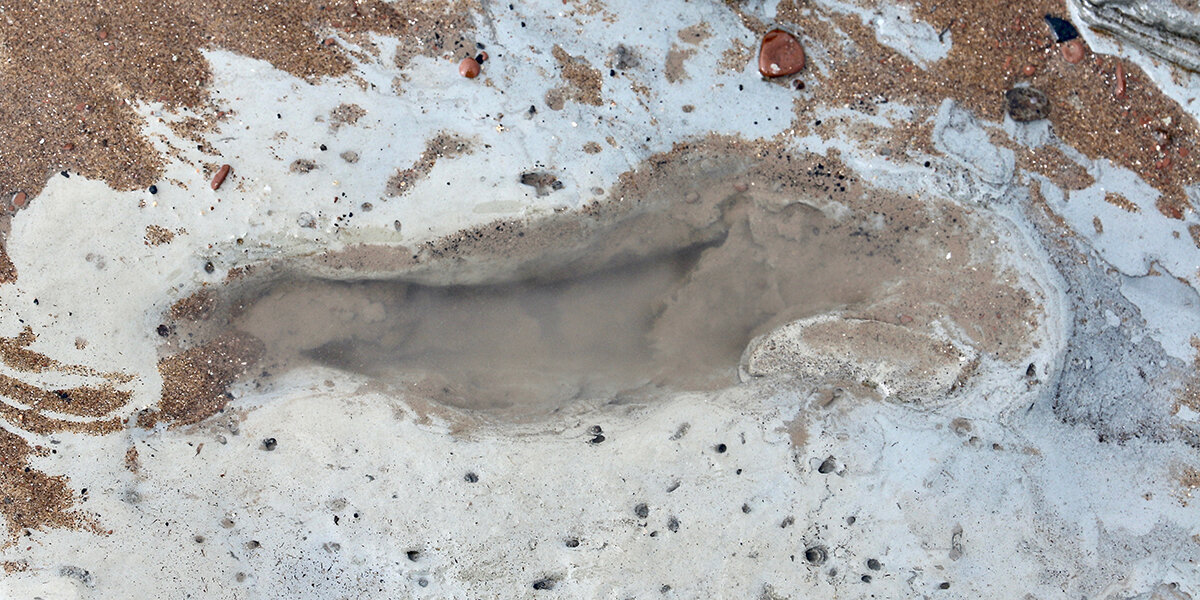
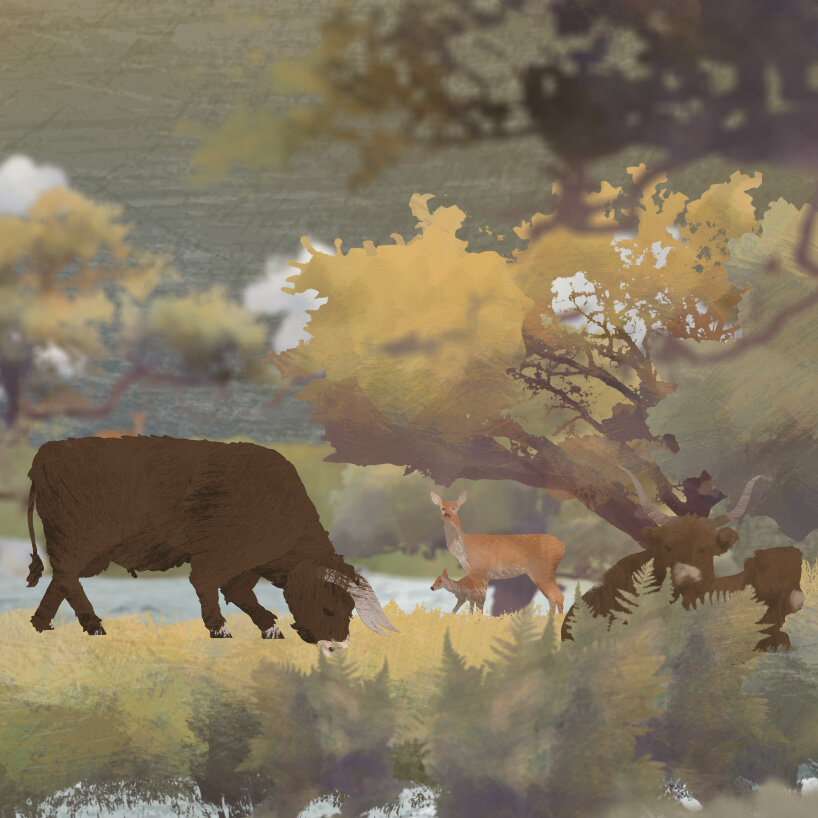
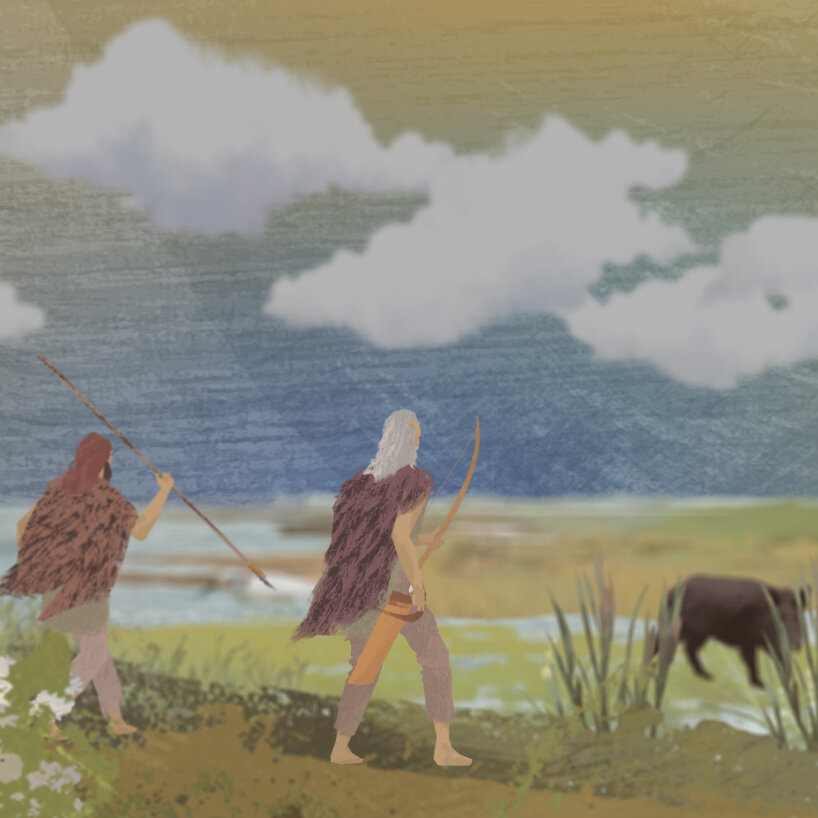
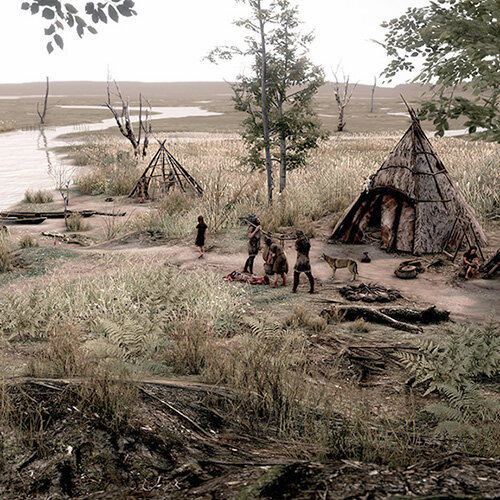
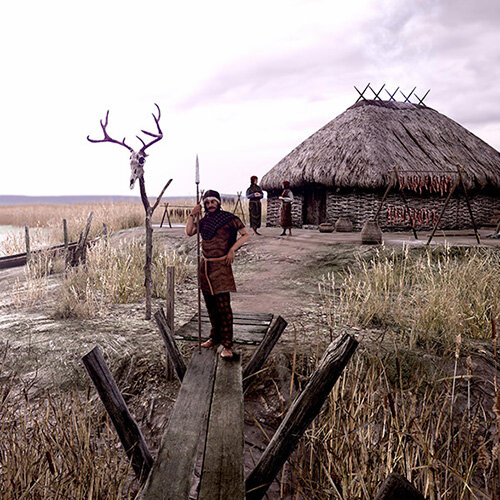
Professor Martin Bell presents ‘Hunter Gatherers in the Severn Estuary: Ice Age to 4000BC’.
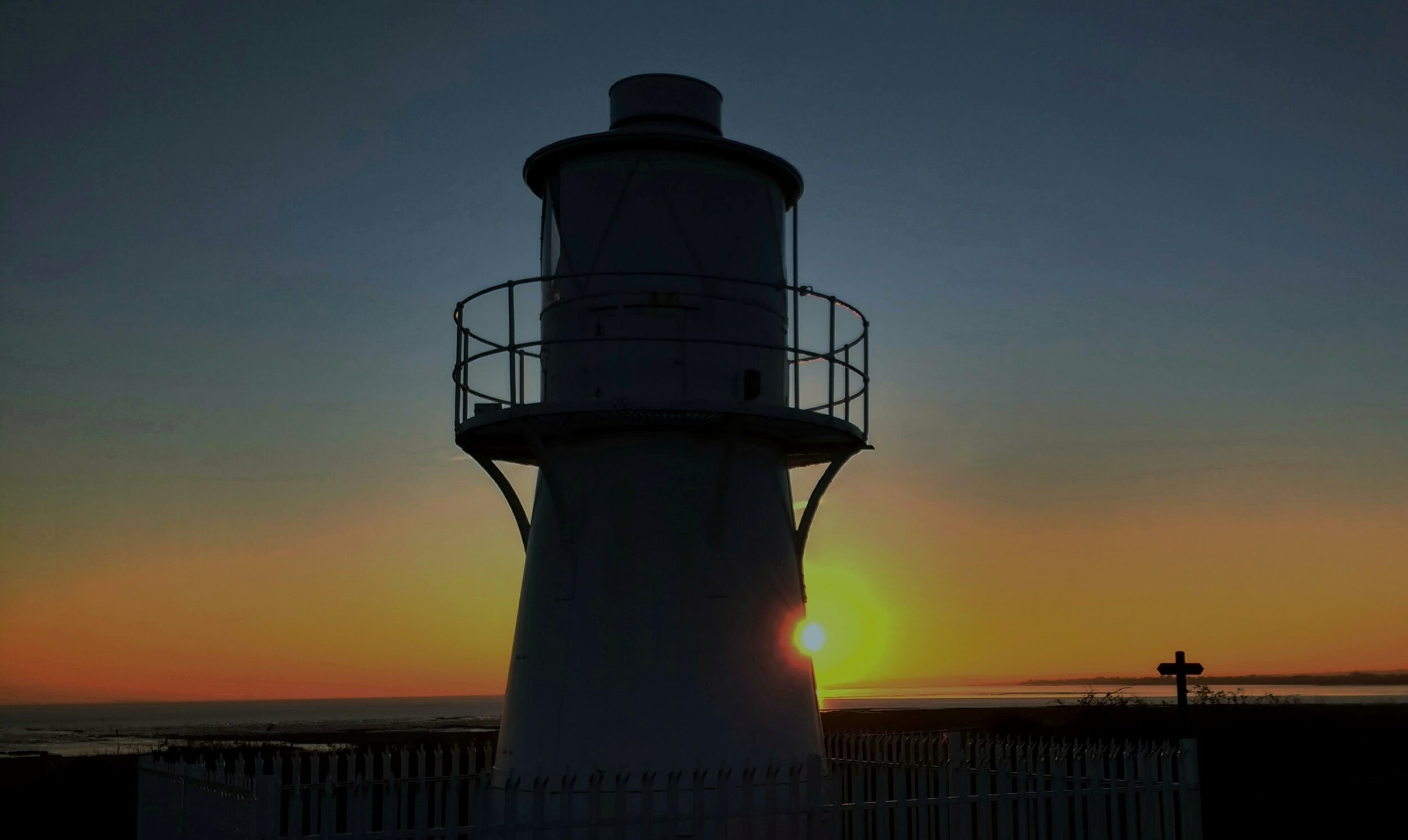
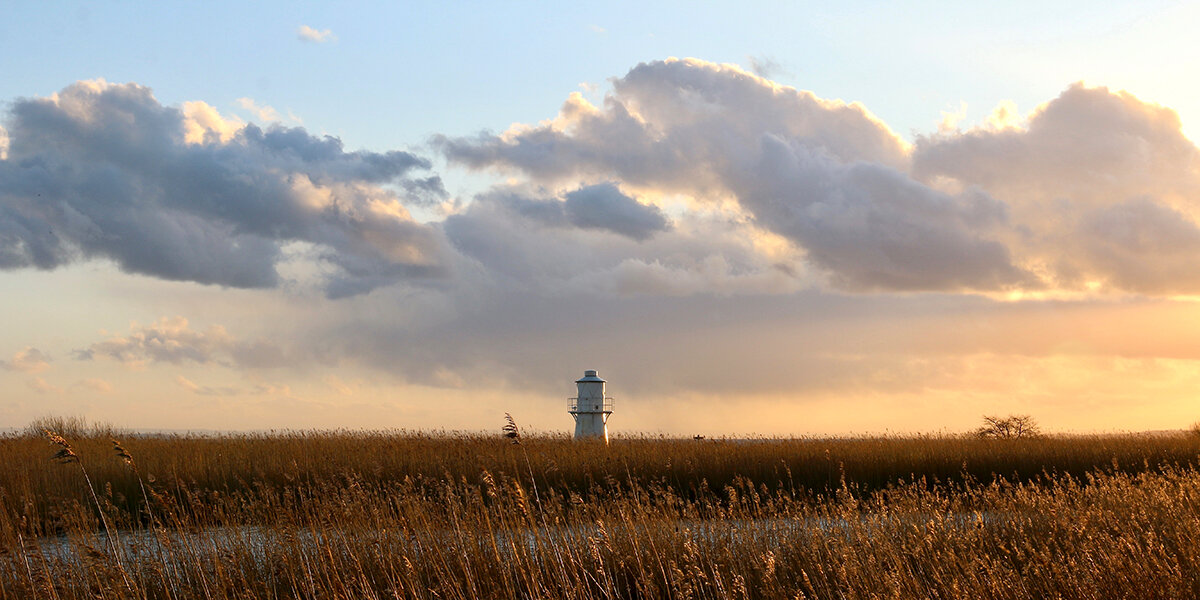
Jeremy White, volunteer at Newport Wetlands, delves into the history of the East Usk Lighthouse and Newport Wetlands National Nature Reserve.
Historian Paul Busby explores the rise and fall of one of Wales's most durable and storied dynasties: the Morgans of Tredegar.
Dr Toby Jones presents ‘The Newport Medieval Ship: Challenges of conservation, re-assembly and display’.
Dr Mark Lewis presents ‘On the Front Line: The Gwent Levels, Sea Level Rise and a Roman Wharf at Caerleon’.
John Burrows explores The ‘mega-tides’ of the Severn Estuary, which has one of the World’s most extreme tidal ranges.
Professor Stephen Rippon presents ‘The Origins of the Gwent Levels drainage system in the medieval period’.
Once an infamous flytipping blackspot, the Road to Nature has been transformed into a fantastic haven for wildlife and people.
People have been crossing the Severn Estuary for thousands of years. Until recently, it was a perilous thing to do.
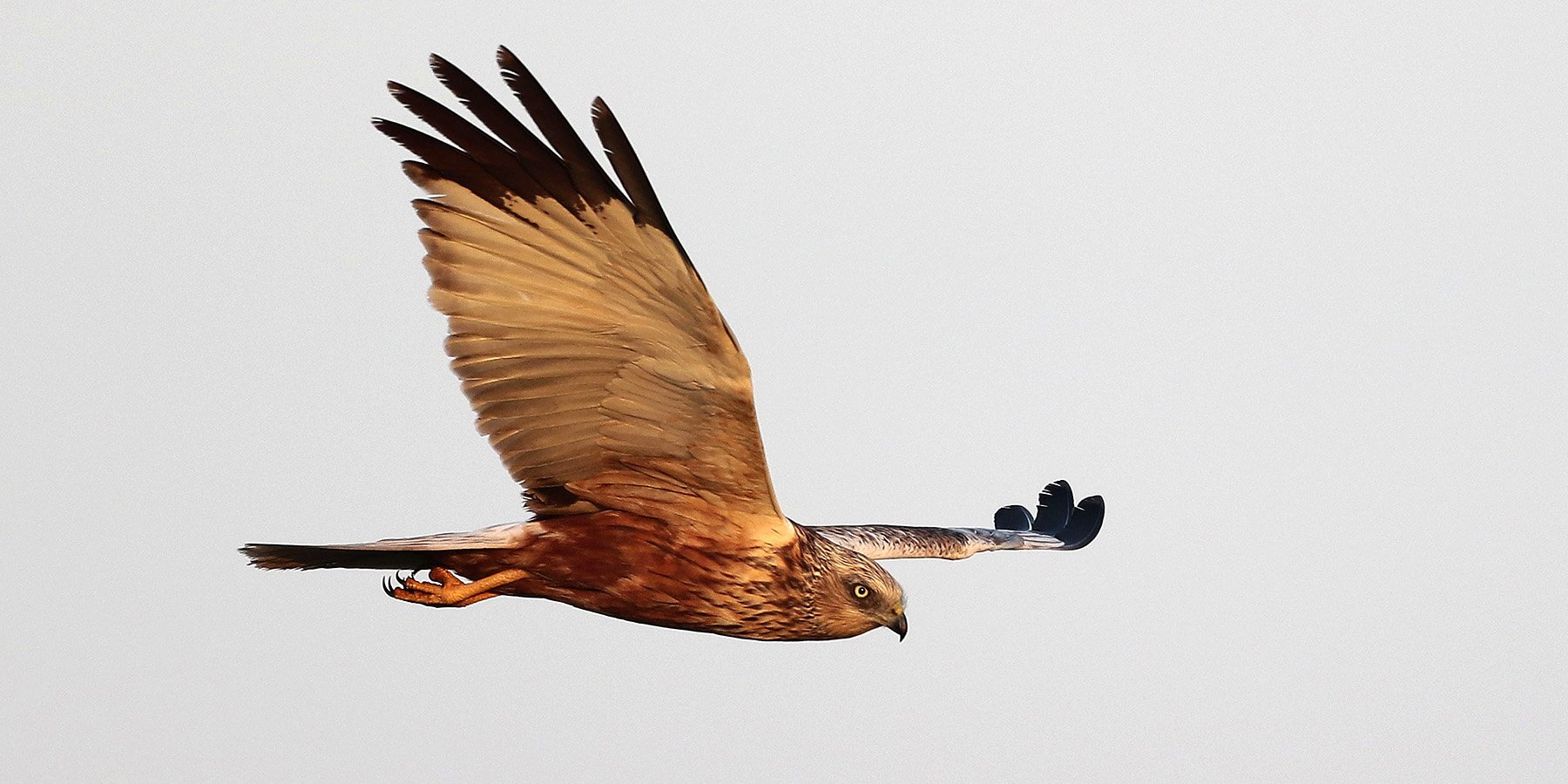
After a long absence, Marsh Harriers are once again resident (and breeding) on the Gwent Levels.
Using the 1881 census and contemporary historical sources, the History RATS have produced a series of portraits of parishes on the Levels in the late 19th century.
History RATS Glyn Parkhouse recounts the story of the coming of the railway to the Gwent Levels.
History RATS Marjorie Neal recounts the history of Caerphilly cheese making on the Wentlooge Levels.
Tony Hopkins, former county archivist at Gwent Archives and one of our History RATS, considers the effects of Henry VIII’s policies on Monmouthshire and the Gwent Levels.
Local farmer and member of the History RATS, David Waters, whose family have lived on the Levels since the 1600s, shares his memories of living and working alongside Monk’s Ditch.
History RAT, Tony Pickup, tells the story of the struggle to maintain the sea wall protecting the Levels during the 19th Century and the historic piece of legislation that solved the problem.
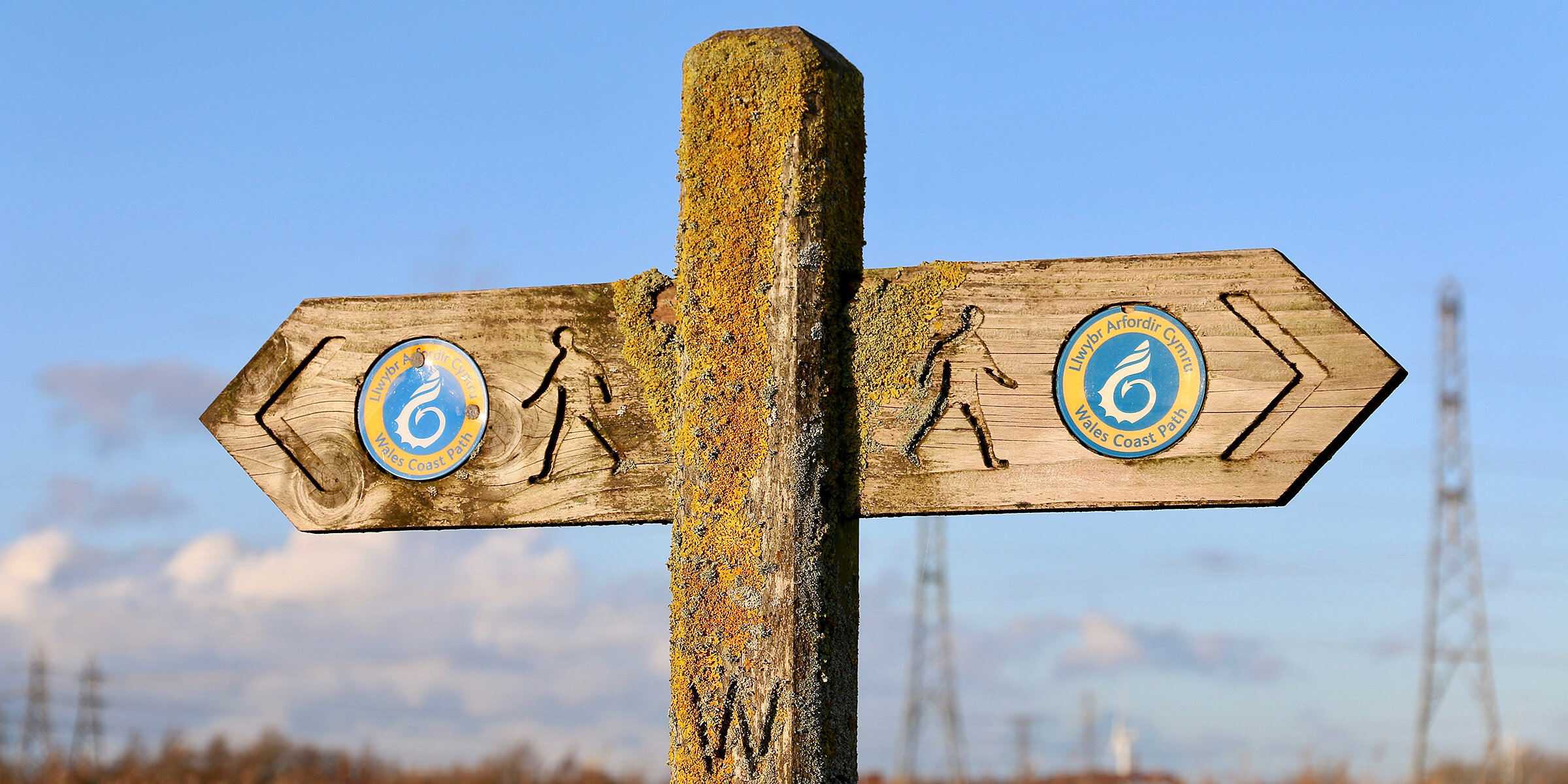
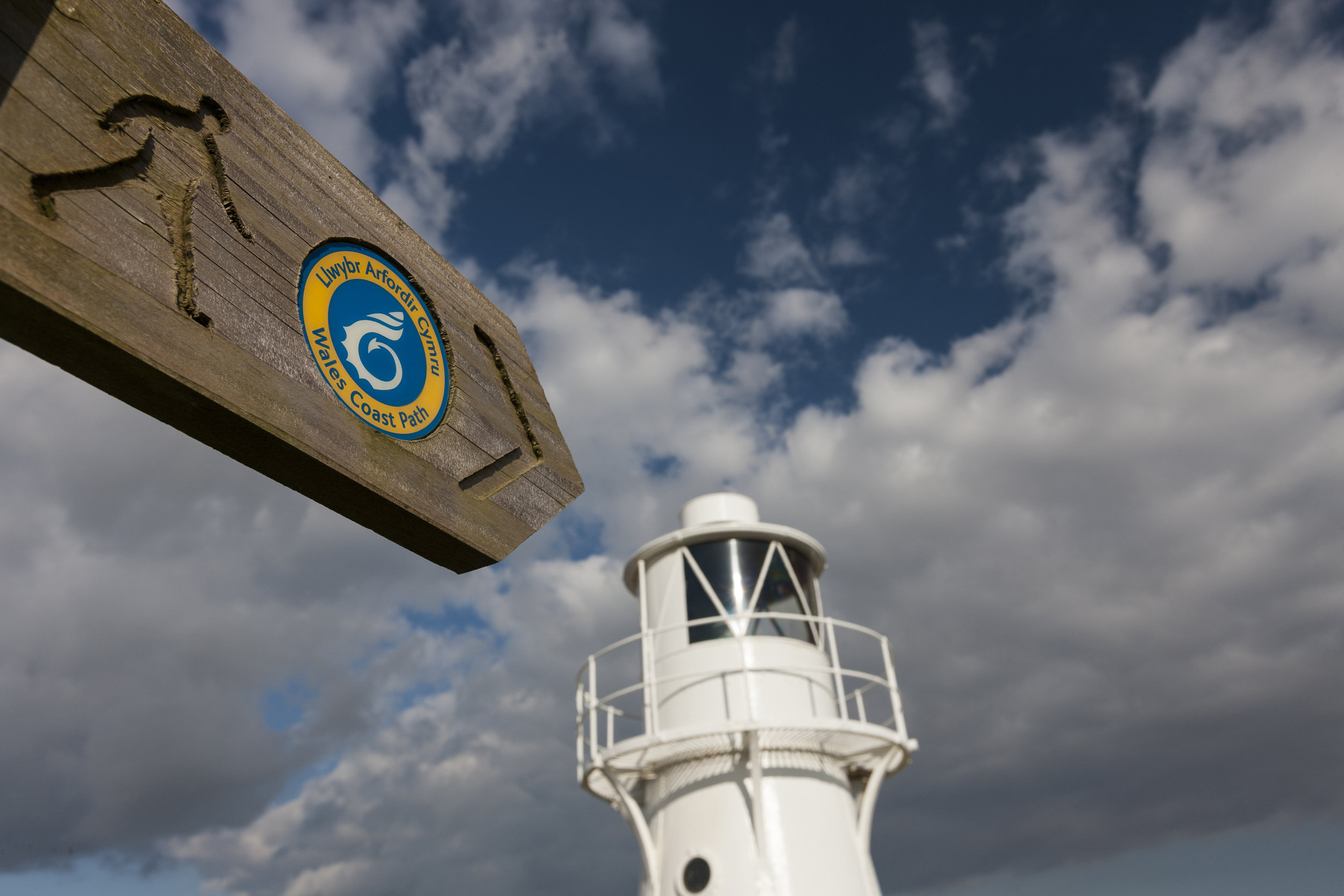
The Wales Coast Path is a long distance footpath that begins (or ends) in Chepstow and follows the coast of Wales for 870 miles (1400km) to Queensferry in Flintshire.
The year 2021 marks the one hundred and twenty-fifth anniversary of the tragic death of fourteen-year-old Louisa Maud Evans.
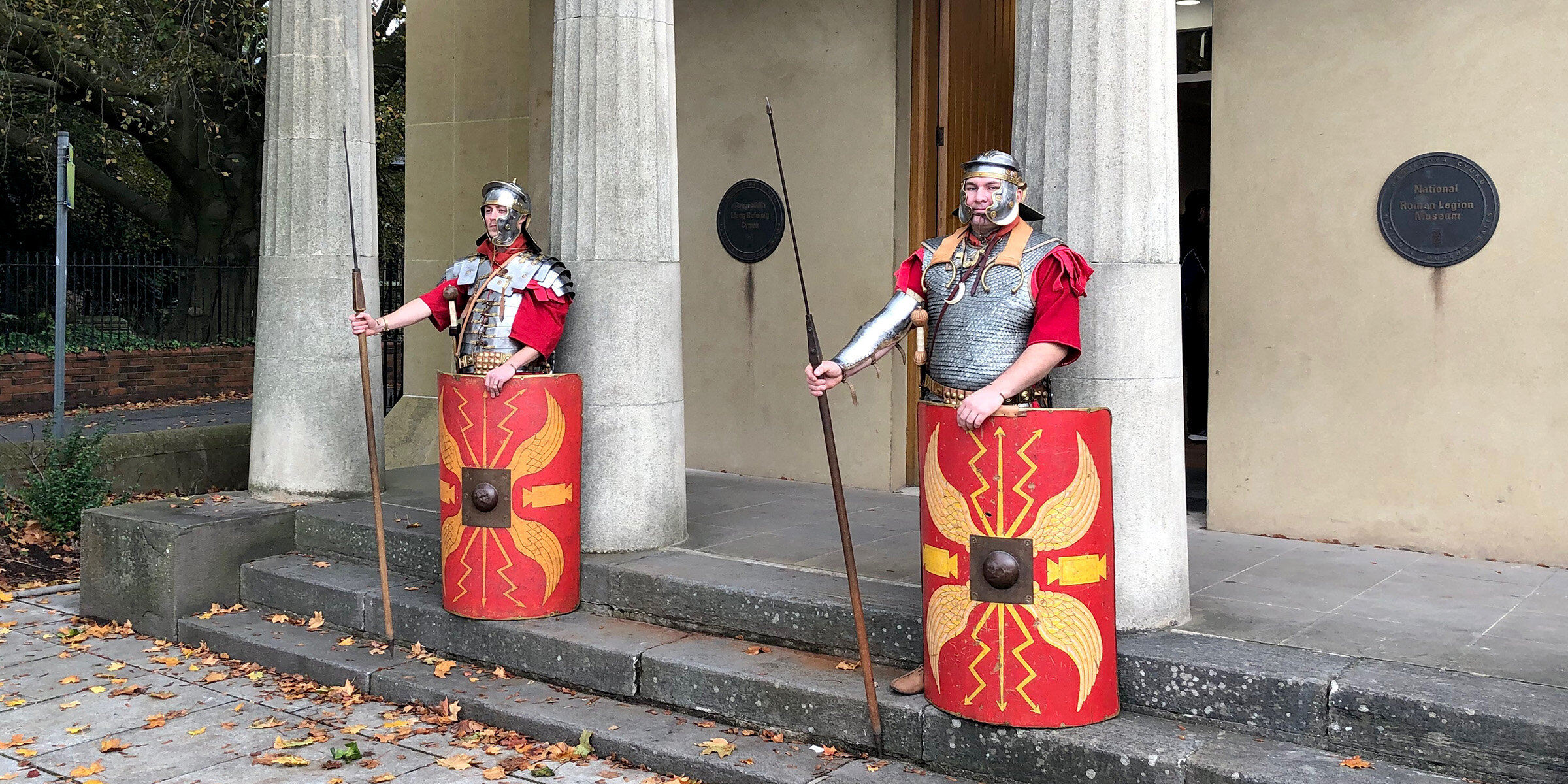
Step back in time at the National Roman Legion Museum and explore life in a far-flung outpost of the mighty Roman Empire.
Parc Tredelerch (Tredelerch Park) is an area of parkland next to the Rhymney River on the east side of Cardiff.
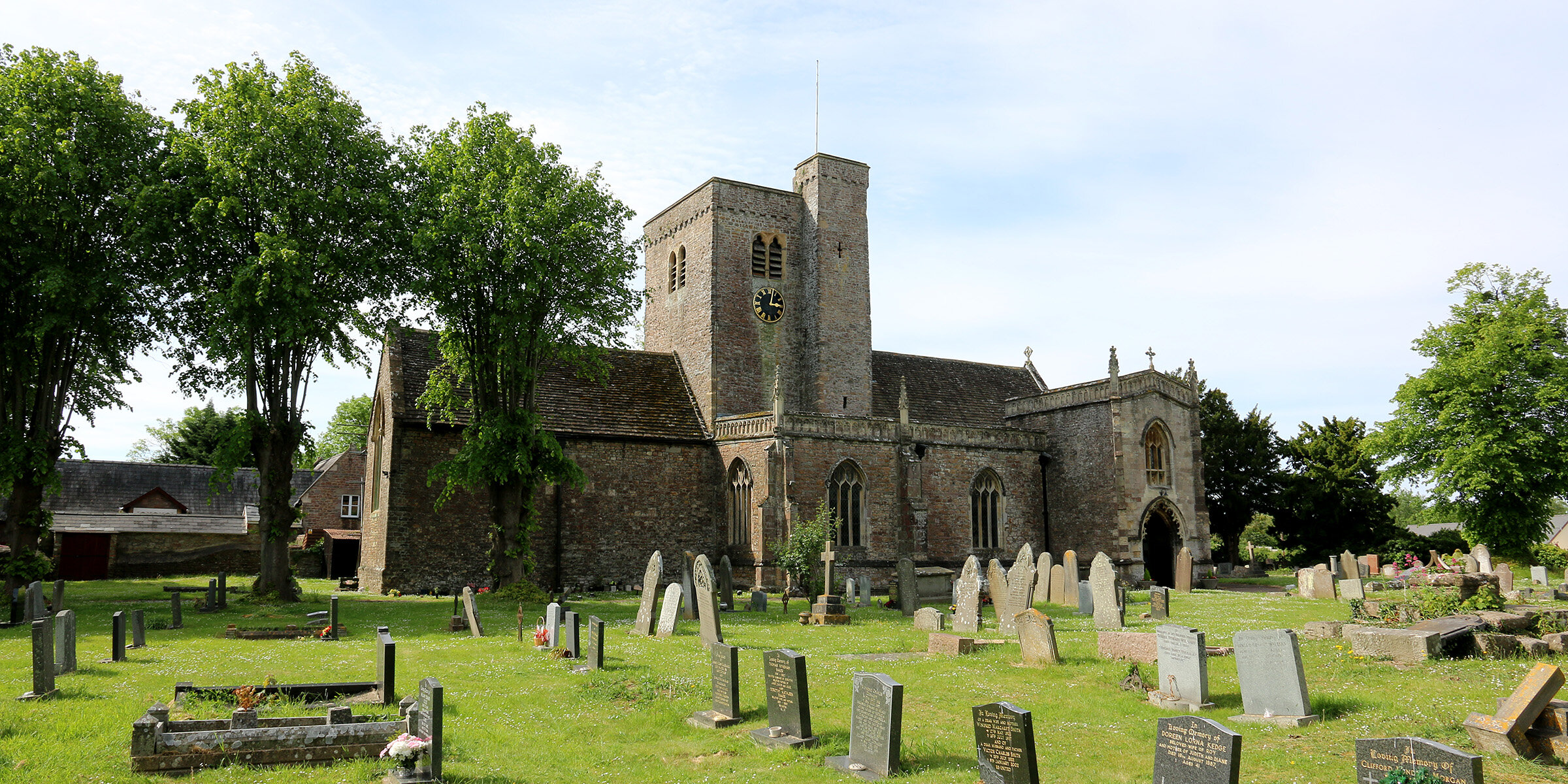
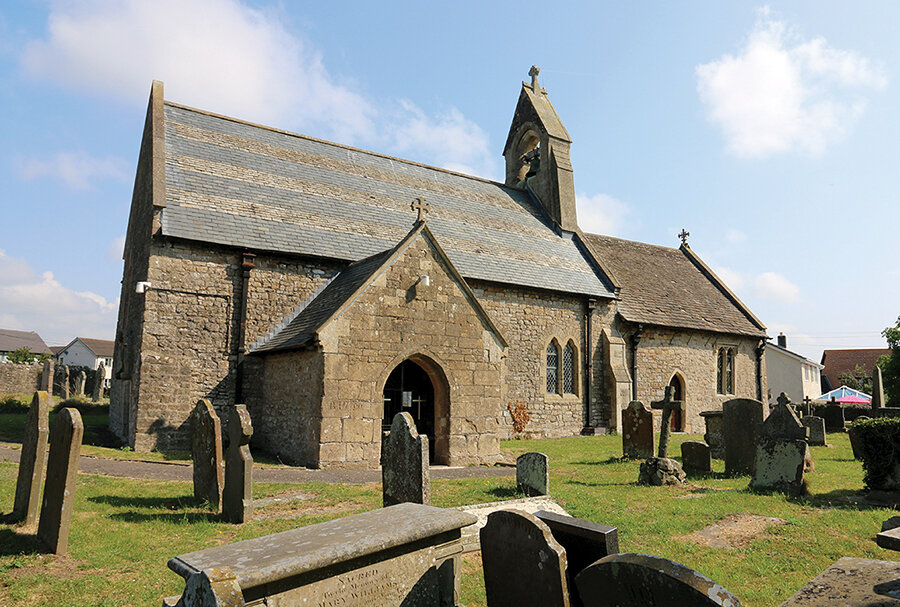
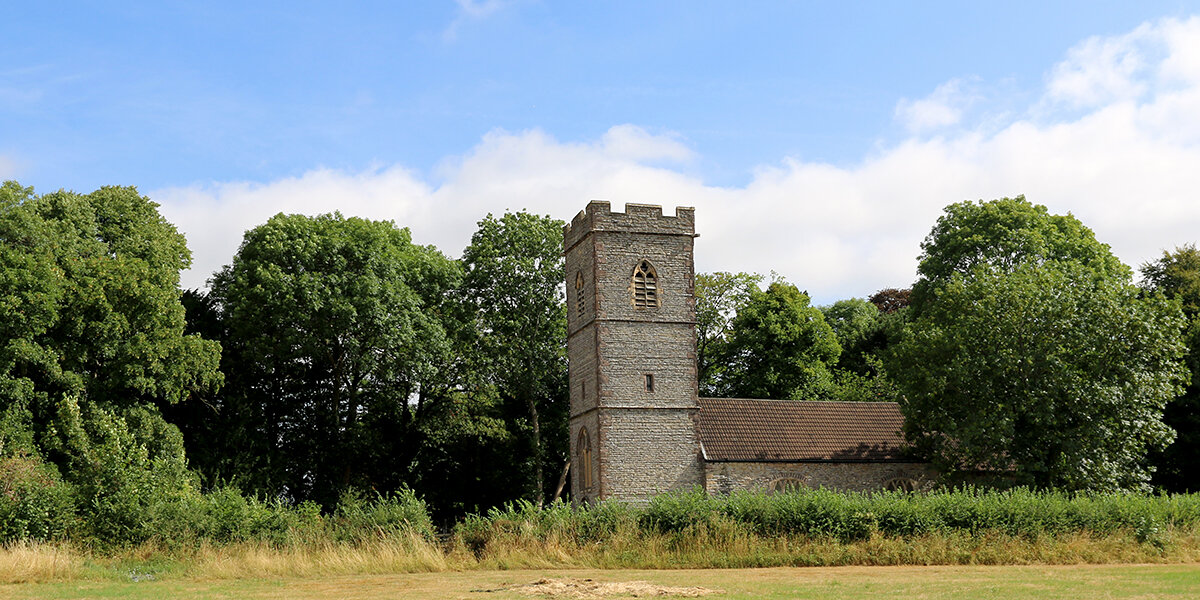
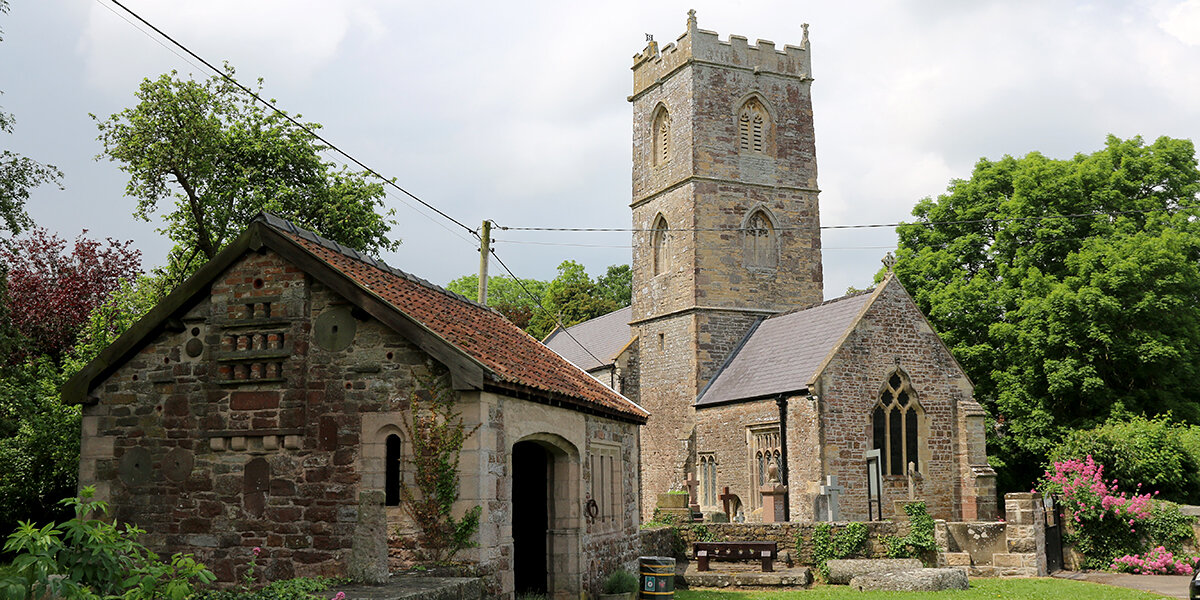
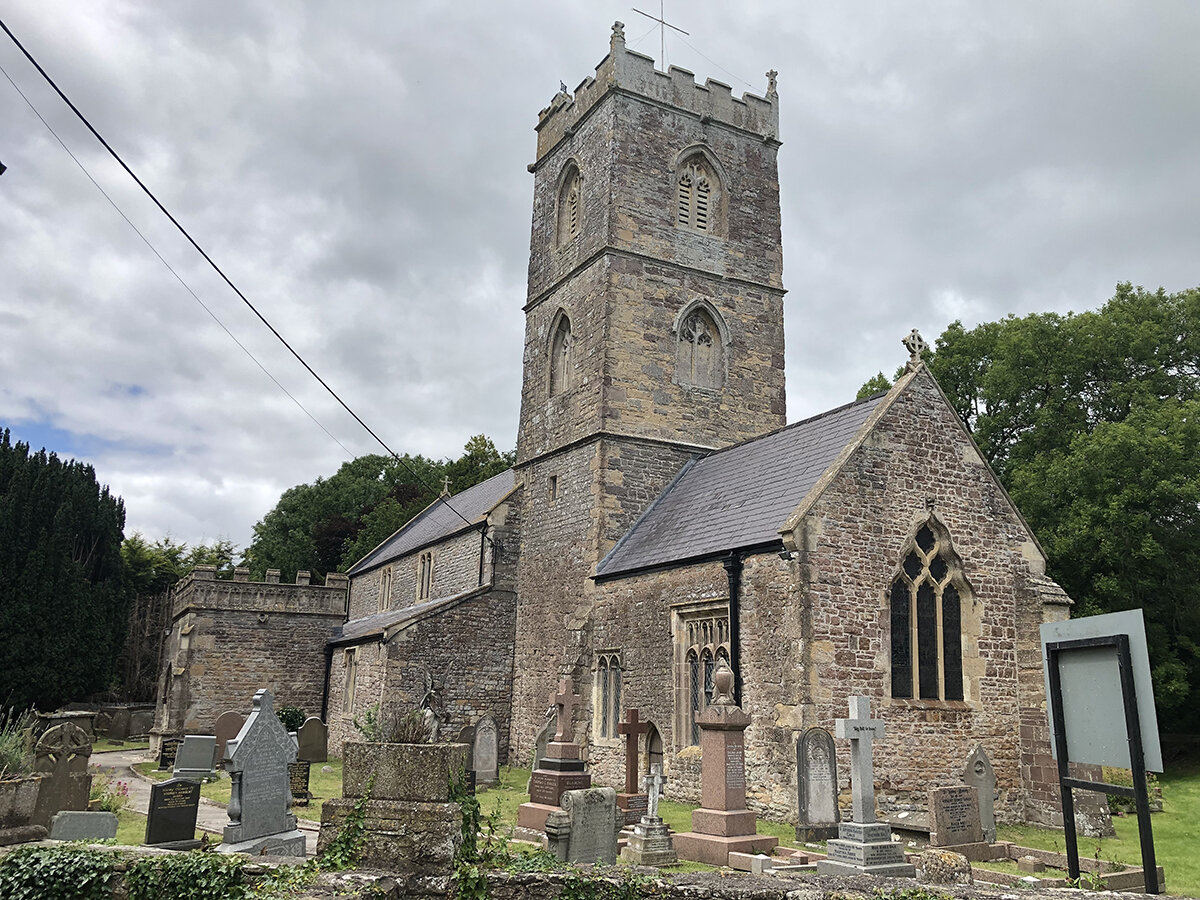
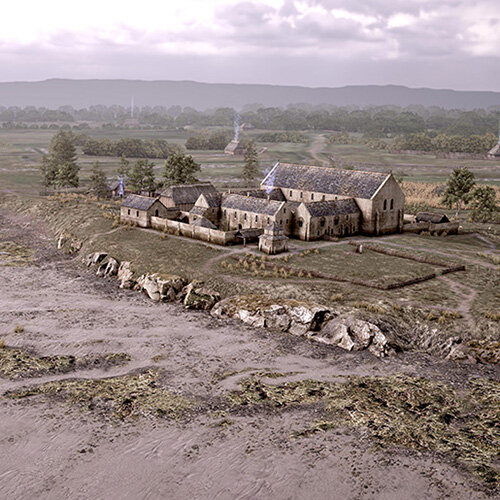
Churches have been at the heart of life on the Levels for much of the last thousand years.
Distance: 11 km | Time: 3.5 hours
An exhilarating walk from the Newport Wetlands visitor centre, via the East Usk Lighthouse and the Wales Coast Path, to the medieval churches of St Mary’s at Goldcliff and St Mary’s at Nash.
Distance: 8 km | Time: 2 hours
A bracing walk from the tiny medieval church of St Mary’s in Undy, across Caldicot Moor, and along the sea wall to Chapel Farm.
Distance: 5.1 km | Time: 1.5 hours
This circular route takes you from St Cadwaladr’s to St Mary’s church at Llanwern, over Llanwern Hill for some spectacular views, and back to Bishton.
Distance: 8 km | Time: 2.5 hours
A pleasant mix of rural footpaths and a refreshing coastal walk takes you from the impressive Church of St Thomas at Redwick to Porton and back via a section of the Wales Coast Path.
Distance: 8.5 km | Time: 2.5 hours
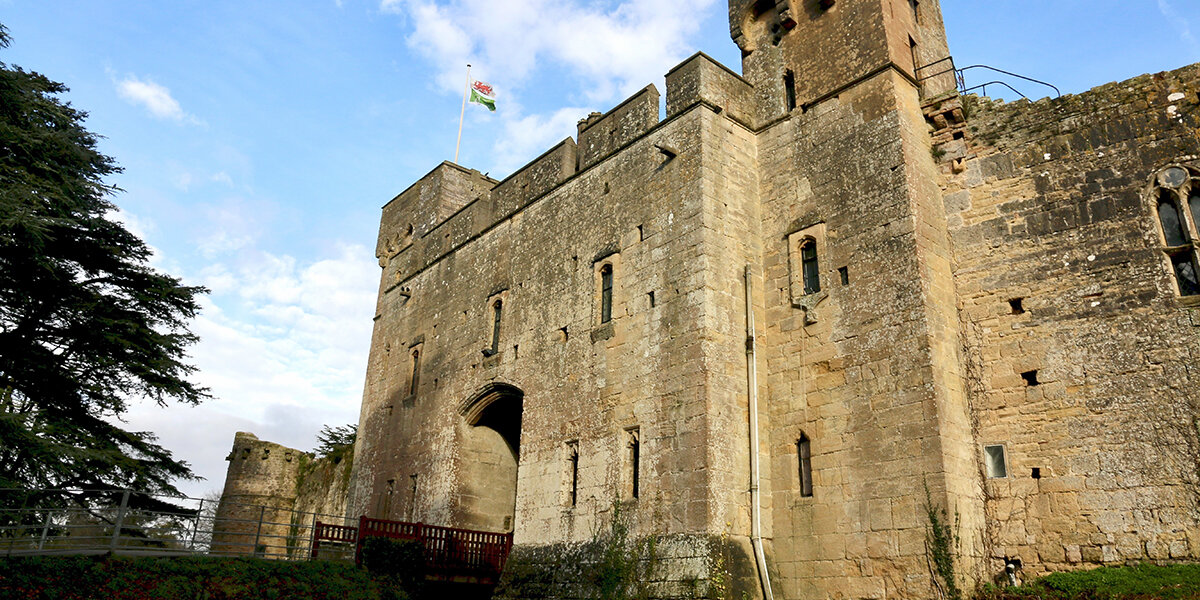
This circular route takes you from the magnificent Caldicot Castle down to the coast by the Prince of Wales Bridge, along the Wales Coast Path to the Iron Age fort at Sudbrook, and on to Black Rock picnic site for spectacular views over the Severn Estuary.
Distance: 2.5 km | Time: 1 hours
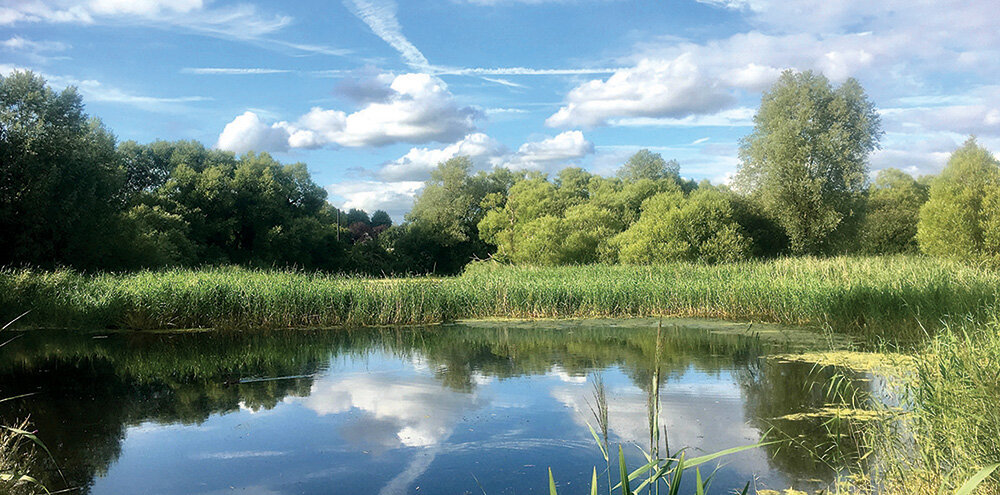
A gentle walk from Magor Town Square to Magor Marsh Nature Reserve, past the ruins of Magor Mansion and returning via the magnificent St Mary’s Church.
Distance: 26 km | Time: 5 hours
Follow the Wales Coast Path from Newport Wetlands to Redwick, through an area of the Gwent Levels steeped in archaeology and history, and rich in wildlife.
Distance: 22 km | Time: 4 hours
An exhilarating walk from the visitor centre at Newport Wetlands, via the East Usk Lighthouse and the Wales Coast Path, to the Medieval churches of St Mary’s at Goldcliff and St Mary’s at Nash.
Newport City Council are seeking nominations from members of the public for membership of the Newport City Local Access Forum.
Cardiff University’s School of Earth and Environmental Sciences are investigating soil organic carbon dynamics in saltmarshes.
Help Living Levels gain a deeper understanding of the needs and experiences of those visiting the Gwent Levels by answering our 10-minute survey!
Living Levels is pleased to be a local partner in a major new research project that explores how to achieve net zero in ways that are fair to livestock farmers, called JUSTLANZ.
Happy birthday, Newport Wetlands. What was once an industrial wasteland, is now a haven for wildlife and a symbol of nature’s resilience in the face of the nature and biodiversity emergencies.
Throughout November and December, Sam (Community Engagement Officer) and Josh (Natural Heritage Officer) have been working alongside the Severn Estuary Partnership to support FreshWater Watch.
Severn Estuary Partnership are looking for volunteers to help two citizen science initiatives happening across the Gwent Levels area.
The Monmouthshire 2030 dragonfly atlas project is looking for a volunteer to help complete the project.
Natural Resources Wales today released more welcome news about the status of bitterns and marsh harriers as Newport Wetlands.
Your personal data will be held by any of the Living Levels partners in accordance with our privacy policies.
You can unsubscribe at any point if you contact info@livinglevels.org.uk.
Our newsletter is delivered as an email with an attached PDF file or a download link.
Please check your junk mailbox if you do not receive a copy after subscribing.












![Wesleyan Methodist chapel Castleton (Penny Gregson)[2].jpg](https://images.squarespace-cdn.com/content/v1/5a1d5fb38a02c70db7c34f81/fe4960cd-db68-469d-8411-f5e21327e383/Wesleyan+Methodist+chapel+Castleton+%28Penny+Gregson%29%5B2%5D.jpg)