
Places to visit
Explore the landscape, history and wildlife of the Gwent Levels.
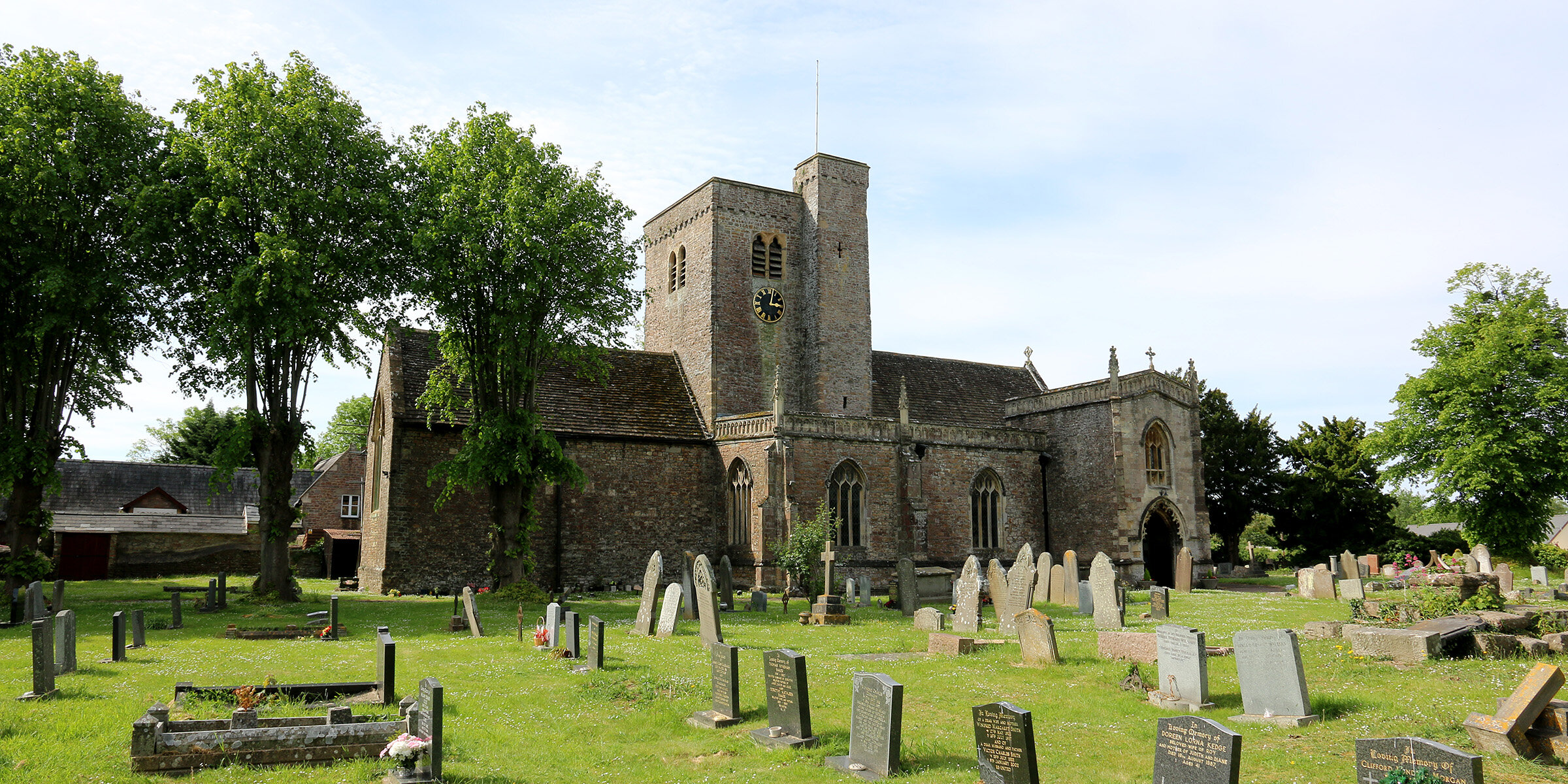
Churches have been at the heart of life on the Levels for much of the last thousand years.

Over its long history, the parish church of Redwick has been dedicated to several different saints; before 1875 it was St. Mary the Virgin and before that St. Michael the Archangel.

The history of St Mary’s church, Nash, known locally as “the Cathedral of the Moors”, is closely linked to the nearby medieval Benedictine Priory at Goldcliff.

The tiny parish church of St Mary Magdalene’s was built in the early 15th century after the church at Goldcliff Priory, which also served the parish, was badly damaged by a storm in 1424.

The village church of Bishton is more than 600 years old. Yet its full name demonstrates far older origins.
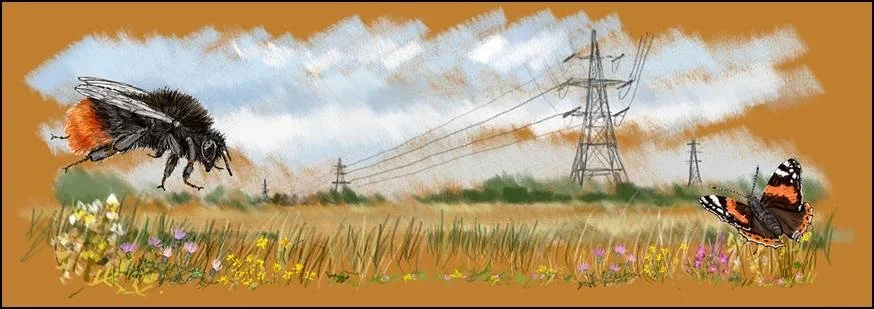
Once an infamous flytipping blackspot, the Road to Nature has been transformed into a fantastic haven for wildlife and people.

Sitting on the edge of the Gwent Levels, between the wide expanse of the Severn Estuary and the mouth of the River Usk, lies the Newport Wetlands National Nature Reserve.
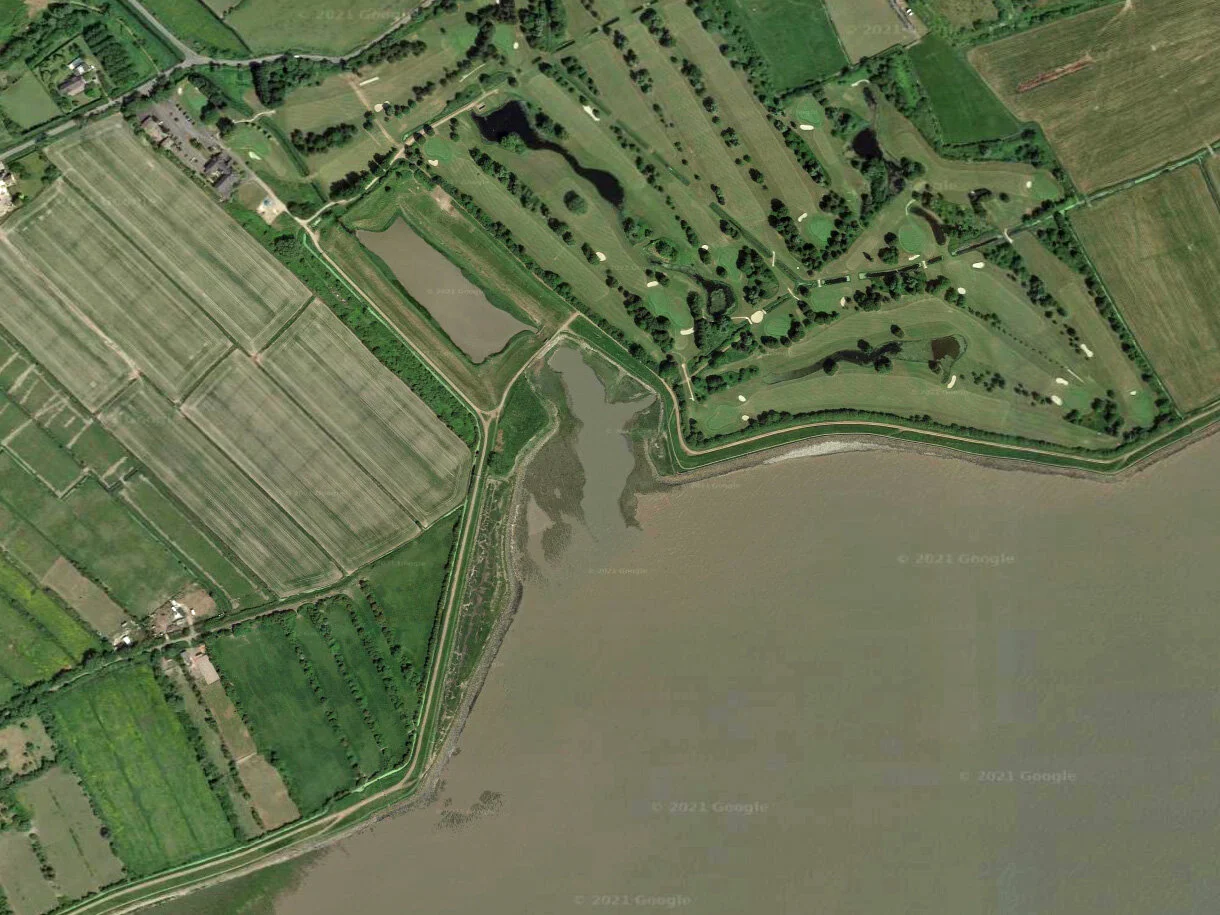
Half a mile east of the former church of St Peter in Peterstone Wentlooge, Peterstone Gout, or Great Gout, is an important and interesting landmark on the Wentlooge Level.

The Goldcliff Lagoons were created in the late 1990s and form the eastern end of the Newport Wetlands National Nature Reserve.

Great Traston Meadow nature reserve is an example of grazing marsh, a traditional type of landscape on the Levels.
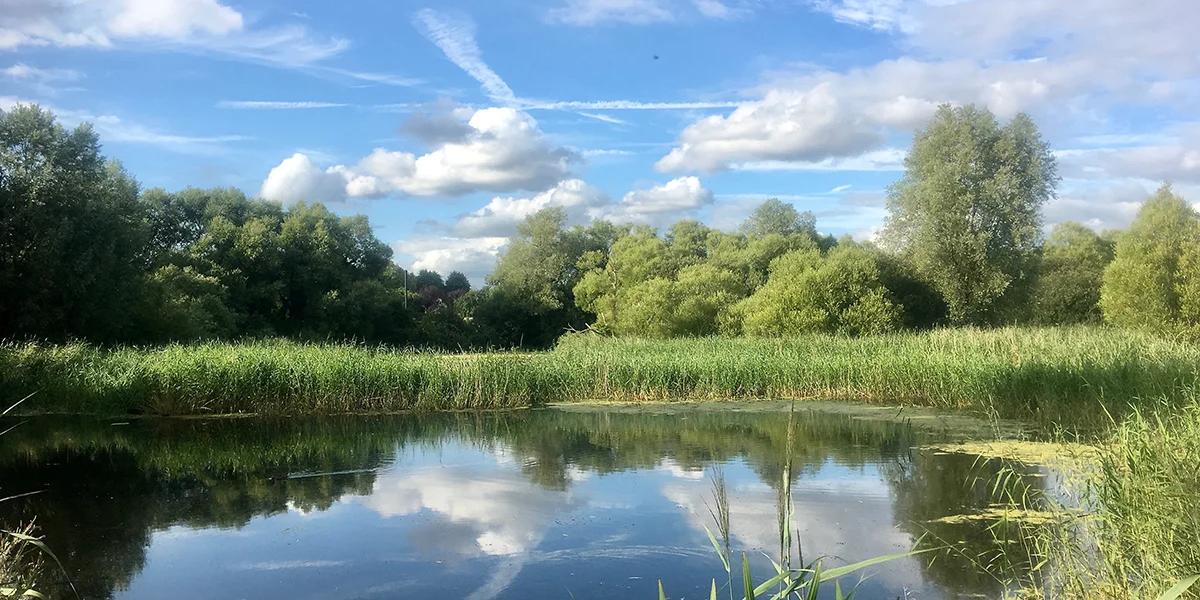
Magor Marsh is one of the last fragments of fenland on the Gwent Levels, a landscape which has existed here for thousands of years.
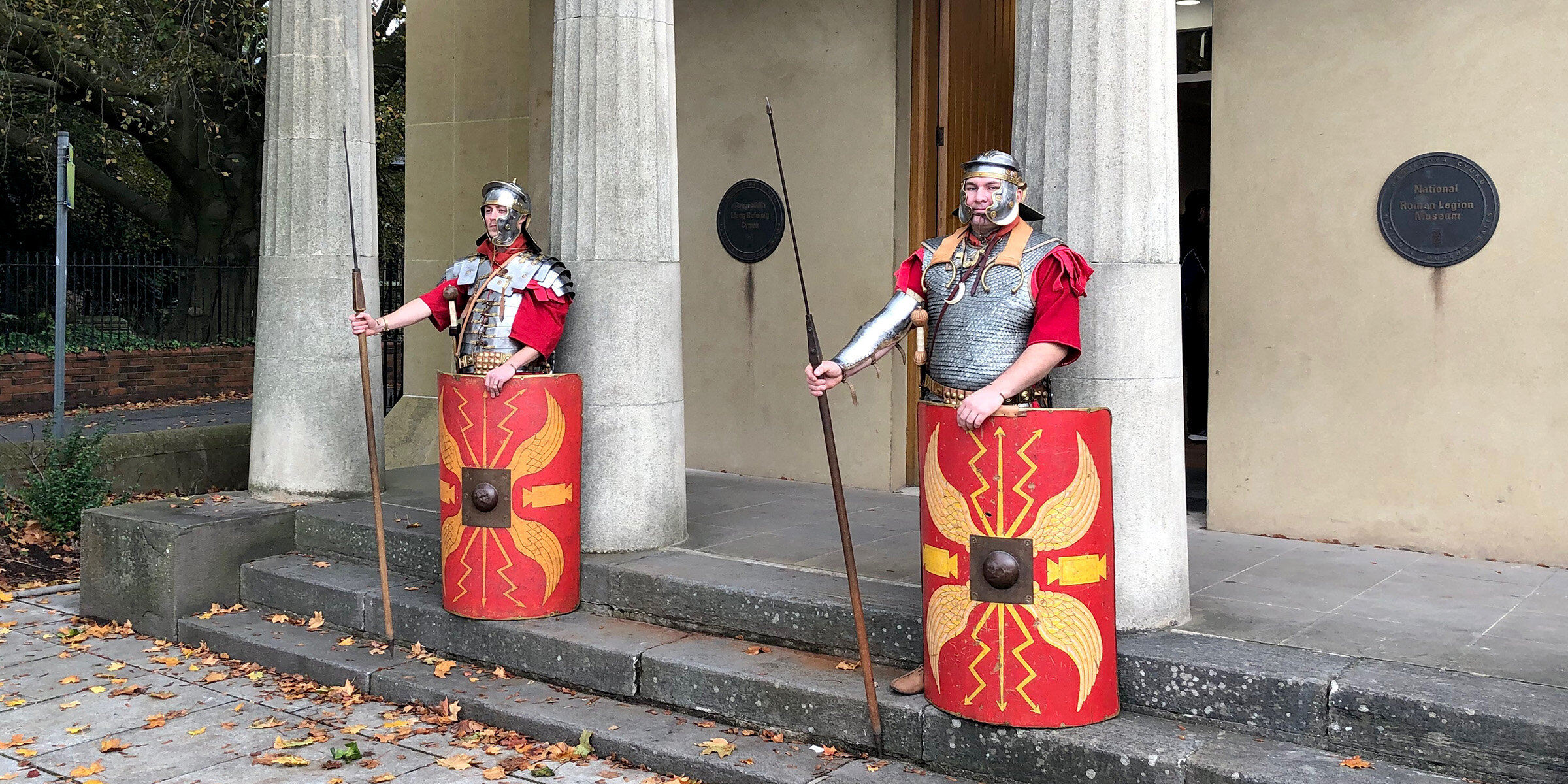
Step back in time at the National Roman Legion Museum and explore life in a far-flung outpost of the mighty Roman Empire.

In 2002, during construction of the Newport Riverfront Arts Centre on the west bank of the River Usk, the remains of a 15th century ship were discovered.

Explore the fascinating prehistory of the Gwent Levels at a stunning new exhibition at Newport Museum and Art Gallery.

The remarkable Newport Transporter Bridge is one of only six operational transporter bridges left world wide from a total of twenty constructed.
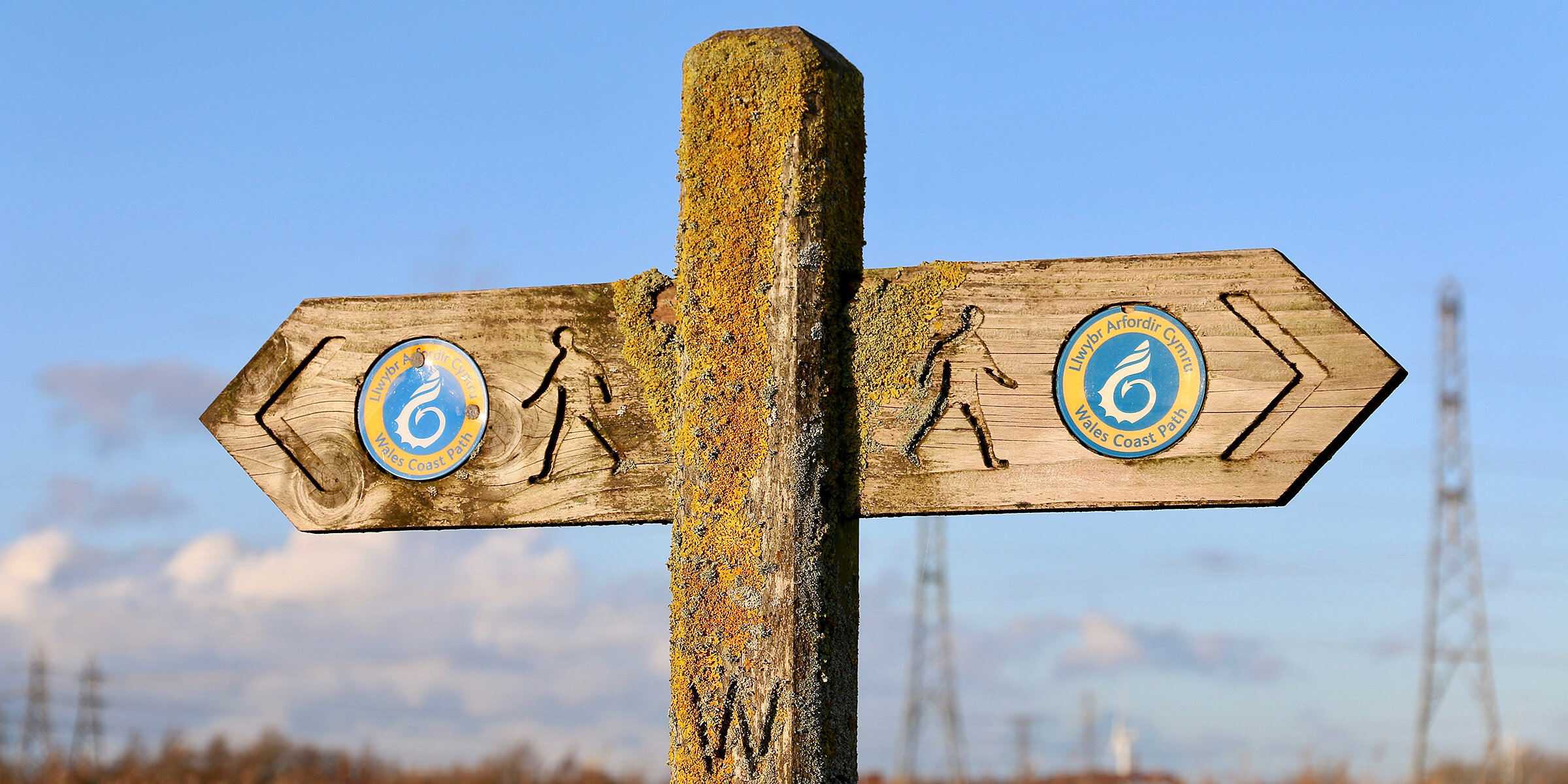
The Wales Coast Path is a long distance footpath that begins (or ends) in Chepstow and follows the coast of Wales for 870 miles (1400km) to Queensferry in Flintshire.

Parc Tredelerch (Tredelerch Park) is an area of parkland next to the Rhymney River on the east side of Cardiff.
Half a mile east of the former church of St Peter in Peterstone Wentlooge, Peterstone Gout, or Great Gout, is an important and interesting landmark on the Wentlooge Level.

The picnic site at Black Rock offers spectacular panoramic views of the Severn Estuary and both bridges.


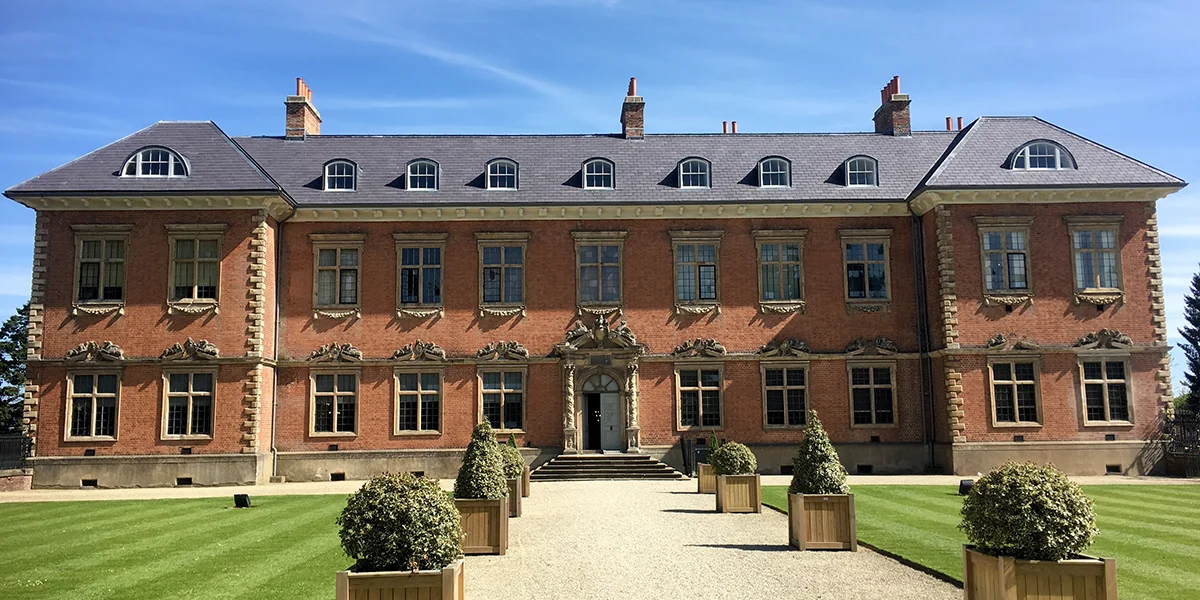
This imposing mansion is one of the most historically important 17th century houses in Britain, home of the Morgan family for over 500 years.